
You Don't Have to Start With the Most to Finish With Something Great.
By: Sienna Smith
When I first started showing livestock, I was intimidated by everyone around me. I was surrounded by families who seemed completely invested in the livestock industry. I remember hearing things like, “So-and-so’s family spent upwards of $8,000 on their animal,” or seeing families who could afford nutritionists and professional show jocks to train their animals. Meanwhile, I started showing in early middle school, and my parents bought me the bare minimum when it came to supplies, feed, and even the pig itself.
I shared the school barn with kids whose pigs were worth three times as much as mine. I watched people bring in buckets of supplements that seemed like liquid gold and equipment that I could only dream of having. Looking around at everything everyone else had, I came to one conclusion: money wins every single time. Or, at least, that is what I thought.
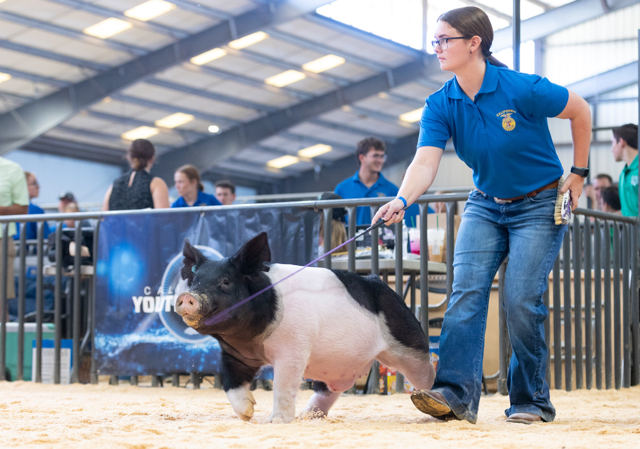
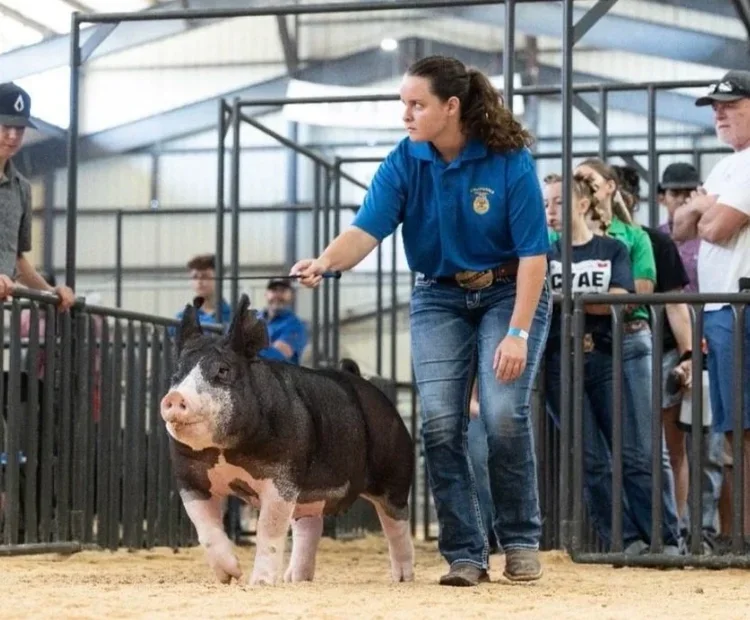
Over the next few months, all I really had was a whip, some time, and a $400 duroc gilt. So, I decided to make the most of what I had. My gilt and I worked extremely hard in preparation for the fair. I couldn't afford expensive supplements or a nutritionist, and I didn't have a professional show jock working with my pig. It was simply my hog and me.
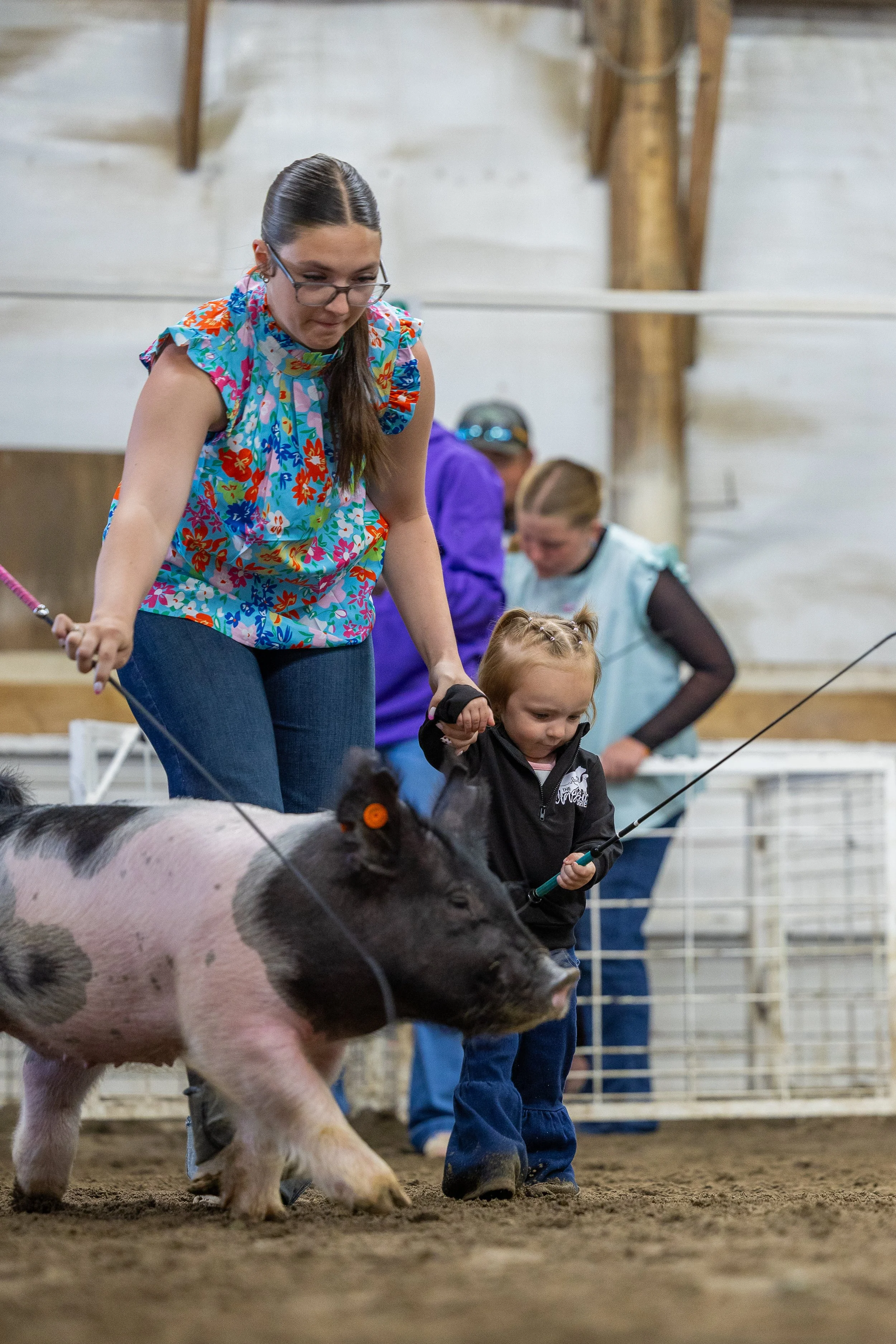
We worked day in and day out, and the majority of our time was spent on showmanship. I focused on teaching her how to respond to me, how to stay calm, and how to work with me in the ring. I also learned how to make adjustments to her feed using what was available within my budget. I couldn't give her everything that the other exhibitors had, but I could learn as much as possible and push her to reach her full potential.
Even while I was working with her, though, I constantly questioned myself. I would look around the barn and see all the expensive equipment, supplements, and animals, and think, “What's the point? I can't afford all of this.” I thought that because I didn't have the same resources as everyone else, I was already at a disadvantage that I couldn't overcome.
Then the fair came around.
I was penned next to other exhibitors from my chapter, and I couldn't help but hear the conversations about how much everyone had spent on their projects. Some people were already talking like they had won before they had even stepped into the ring simply because they had invested so much money into their animals.
When the market show came around that afternoon, I walked away with a third overall duroc. I had beaten exhibitors who had spent three times what I had on their projects.
That was the moment everything changed for me.
I realized that money can buy you opportunities, but it cannot buy you success. You can buy an expensive animal, the best feed, the newest equipment, and every supplement on the shelf, but none of those things are going to walk your animal into the ring for you. At the end of the day, someone still has to put in the work.
Now, I will admit that money can make certain things easier. Having access to better genetics, nutritionists, equipment, or professional help can definitely give someone advantages. But none of those things guarantee a champion. You can buy the most expensive pig in the sale, but if you're not willing to work with that animal every day, learn how to properly feed it, understand what it needs, and take care of it, the money you spent doesn't mean much.
What I wish I knew when I first started showing livestock is that I didn't need to have what everyone else had. I just needed to be willing to work harder with what I did have. I learned that success isn't always about who has the biggest budget. Sometimes it's about who is willing to stay in the barn a little longer, ask a few more questions, make another adjustment, and keep working when nobody else is watching.
That $400 duroc gilt taught me one of the most important lessons I have carried with me throughout showing livestock; you don't have to start with the most to finish with something great.
Witten By:
Sienna Smith - Senior Contributor