
What to Do When You First Bring Your Show Calf Home: With Hannah McCurry
Bringing home your first show heifer or steer is exciting, but it can also feel overwhelming. Between feeding, halter breaking, grooming, and daily care, there's a lot to learn.
In this episode of First Time In The Ring, Texas showman Hannah McCurry shares advice for first-time exhibitors on how to get started, avoid common mistakes, and set their project up for success. We start from the first week with your show calf and up at the show.
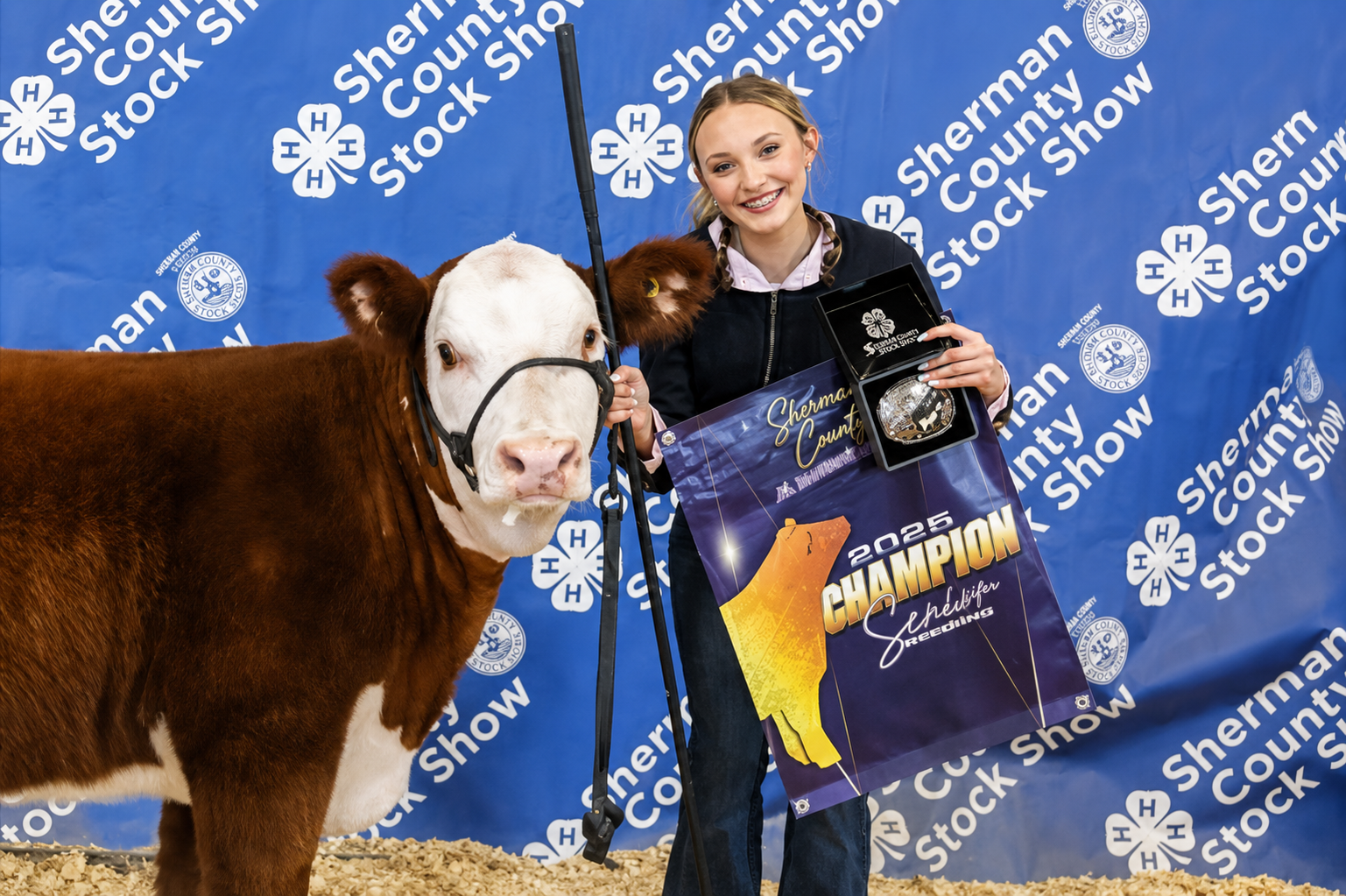
Start by Preparing the Pen
Before your animal ever steps off the trailer, make sure its pen is ready.
Hannah recommends cleaning and preparing the area ahead of time. If other animals have recently been housed there, applying lime can help reduce bacteria and create a cleaner environment.
Your setup doesn't need to be fancy. At a minimum, your animal should have:
Clean water
Good-quality hay
Safe fencing
Adequate space
Bedding when needed
Many successful exhibitors start with simple facilities and upgrade over time.
Let Your Animal Adjust
One of the biggest mistakes new exhibitors make is trying to do too much too soon.
When your calf arrives, focus on helping it settle into its new environment. Moving to a new home can be stressful, especially if the animal is coming from a different climate or region.
During the first week:
Monitor health closely
Keep feed consistent
Provide fresh water
Avoid overwhelming the animal
Allow time for adjustment
Patience during those first few days can make the transition much smoother.
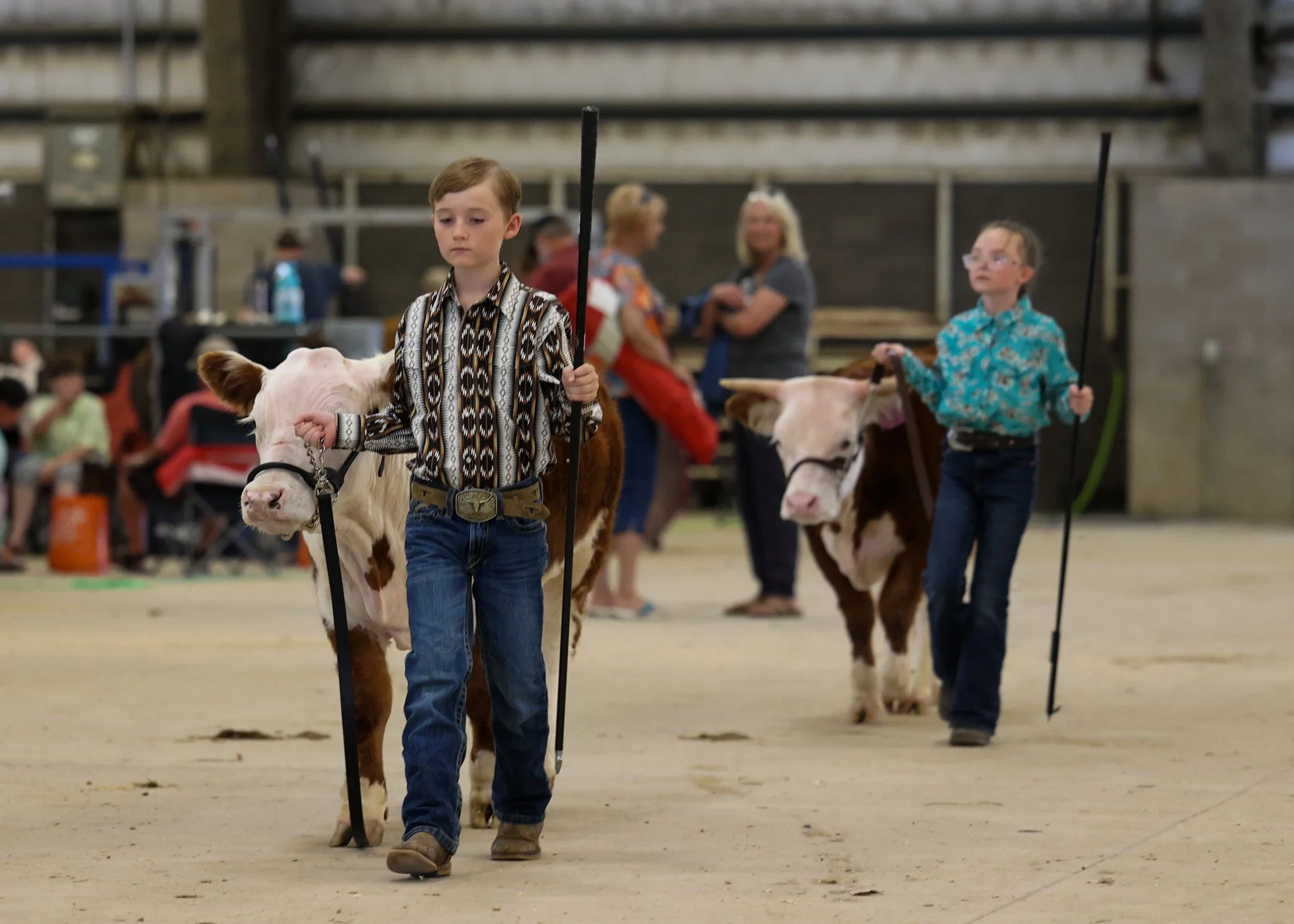
Start Halter Breaking Early
Buying a quality animal is only the beginning.
Many beginners assume a good animal will automatically perform well in the ring. In reality, success comes from the relationship you build with your project. Spend time with your animal every day.
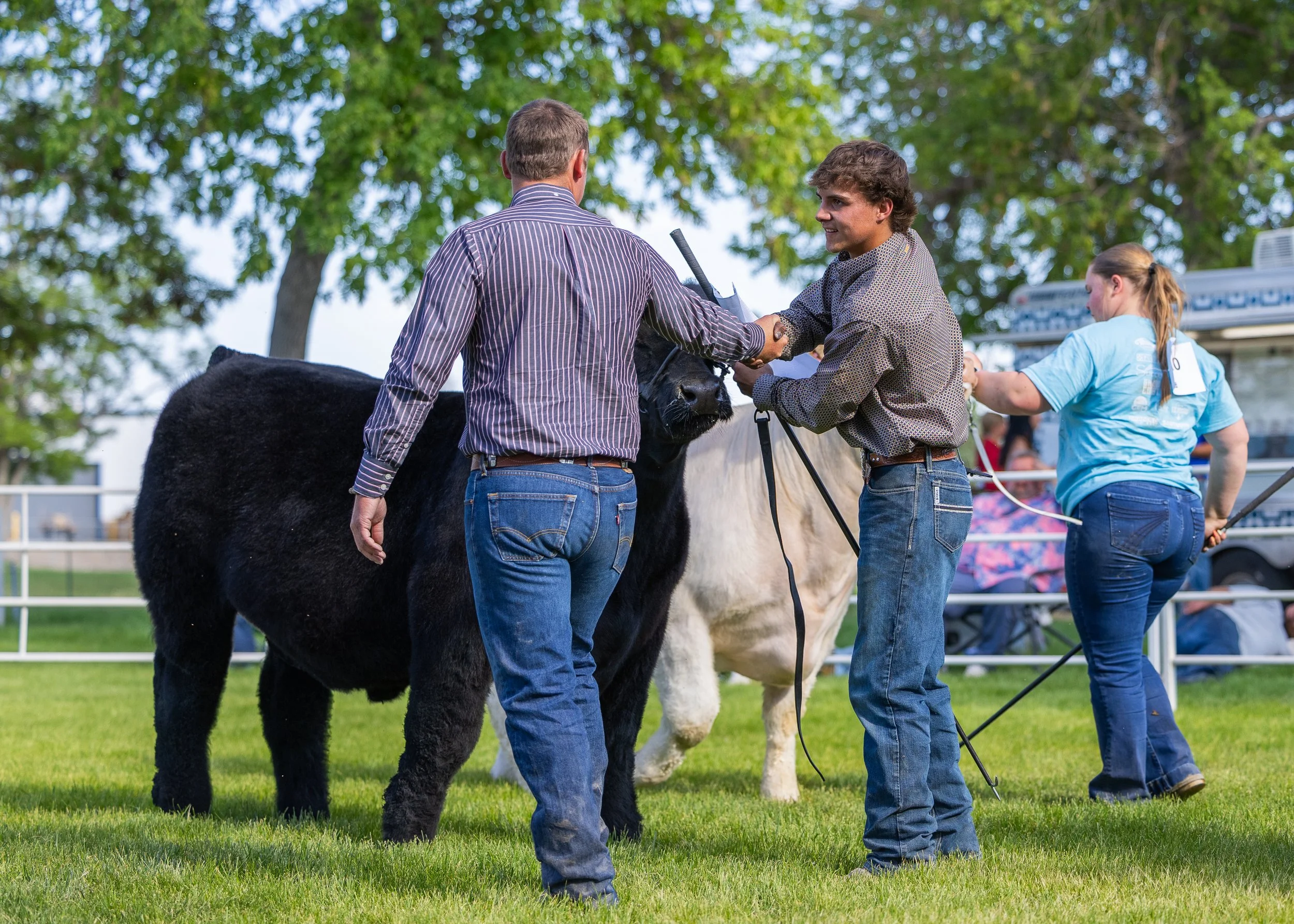
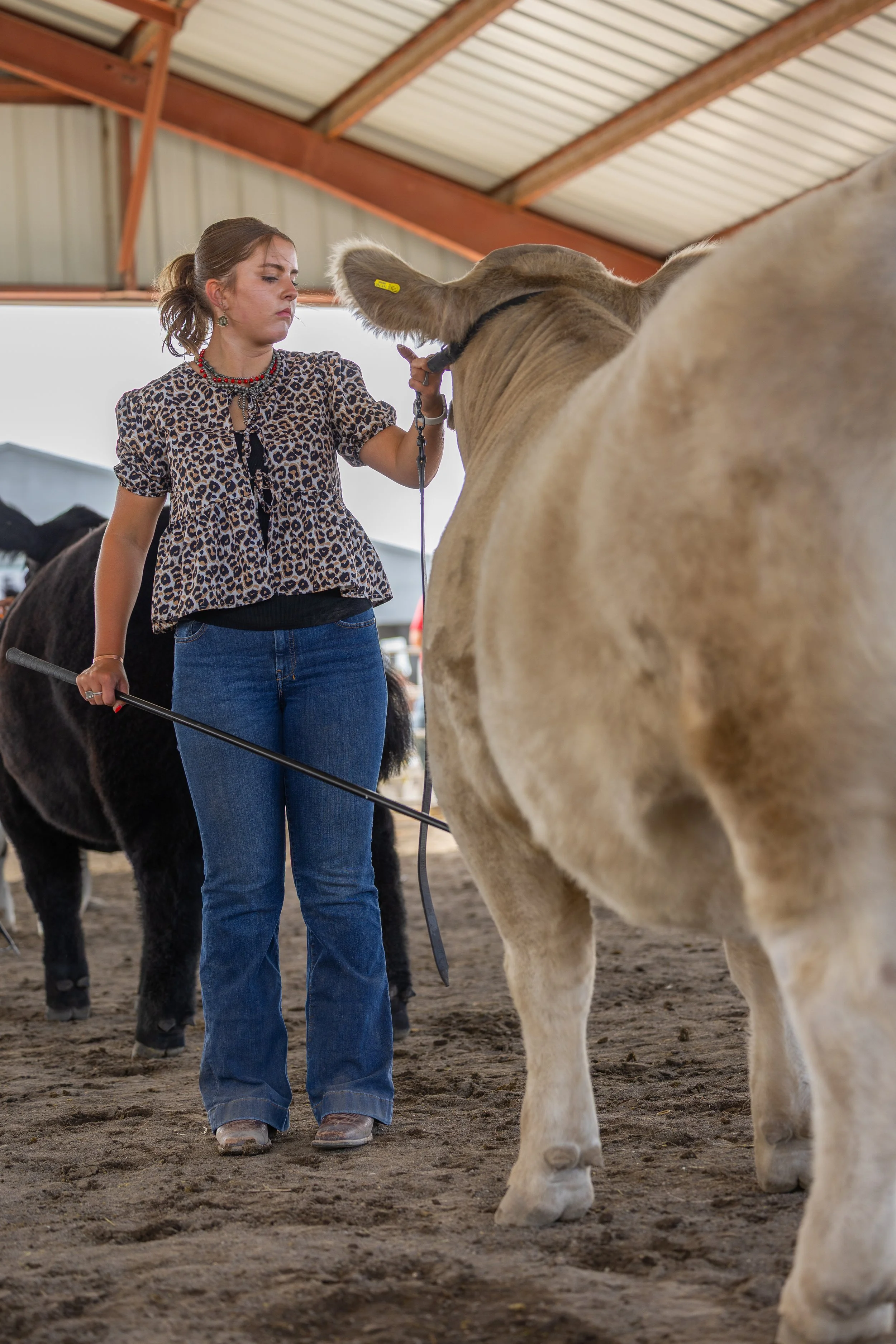
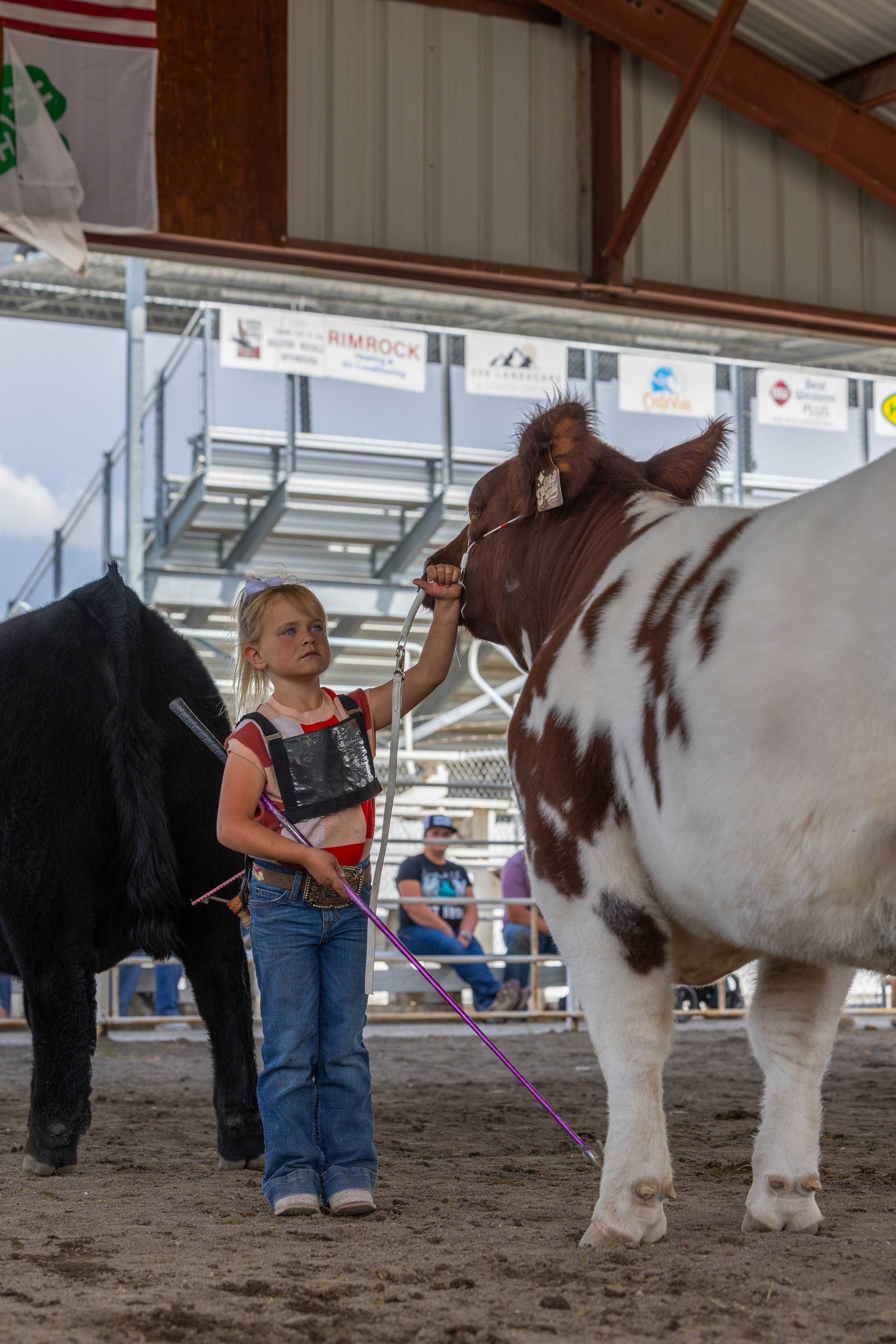
Get it comfortable being handled, walking on a halter, and responding to your movements. The exhibitors who stand out in the ring are usually the ones who have spent the most time working with their animals at home.
Rushing the Process
Progress takes time. Many exhibitors want immediate results and end up pushing their animals too hard. Instead of trying to accomplish everything at once, focus on steady improvement.
Overworking Your Animal
Rest is important. Working cattle every single day without breaks can lead to burnout and frustration for both the exhibitor and the animal. Finding a balance between work and recovery often produces better results than constant pressure.
Waiting Too Long to Halter Break
This is one mistake that becomes harder to fix over time. Starting early makes training easier, safer, and much more enjoyable.
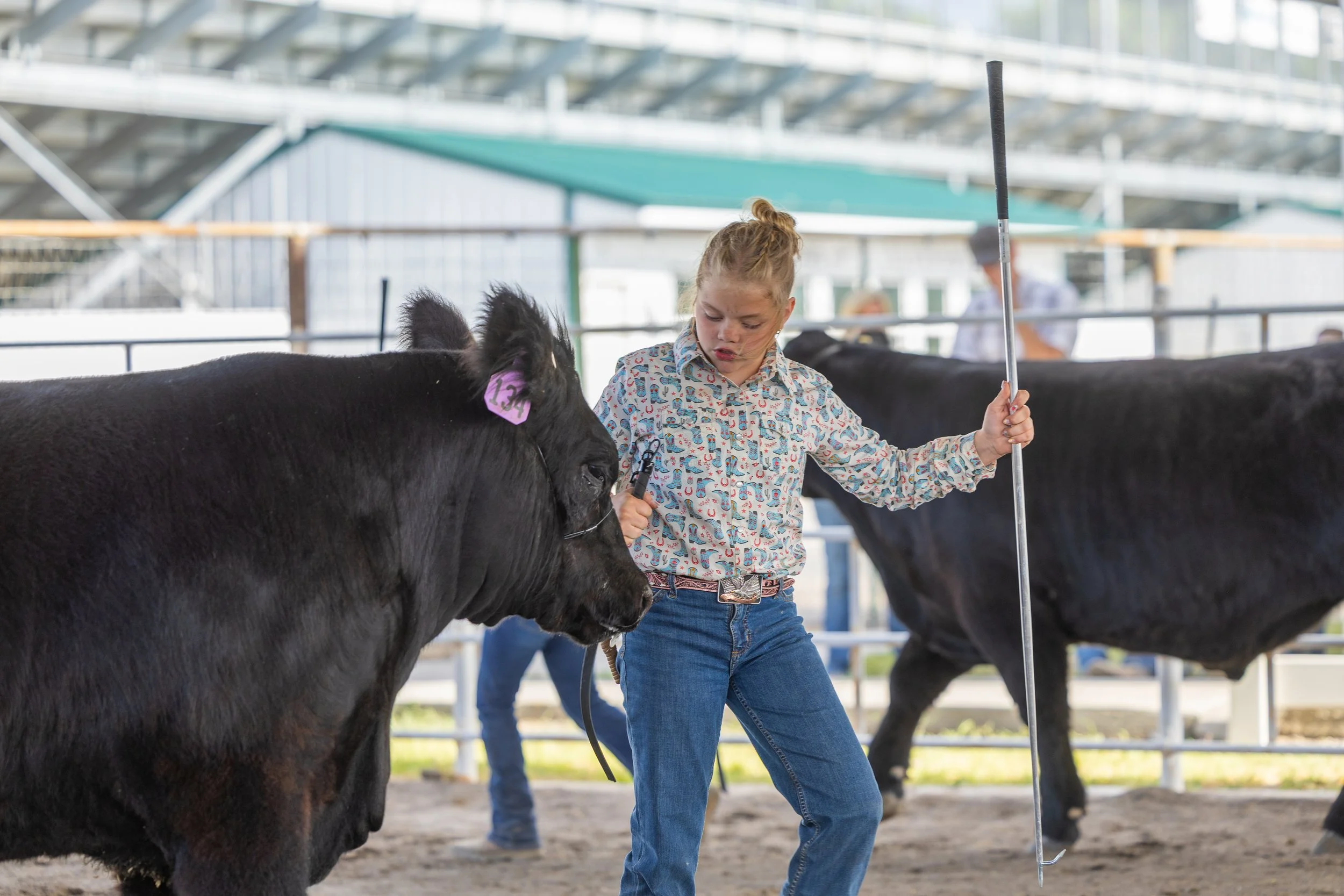
Create a Consistent Routine
Waiting too long can make the process much more difficult and potentially dangerous.
Young calves are easier to handle, easier to train, and more willing to learn. The earlier you begin working with them, the more comfortable they'll become around people.
Some ways to build trust include:
Walking them regularly
Brushing them
Scratching them with a show stick
Spending time around them daily
The goal is to make your presence familiar rather than stressful.
Avoid Common Beginner Mistakes
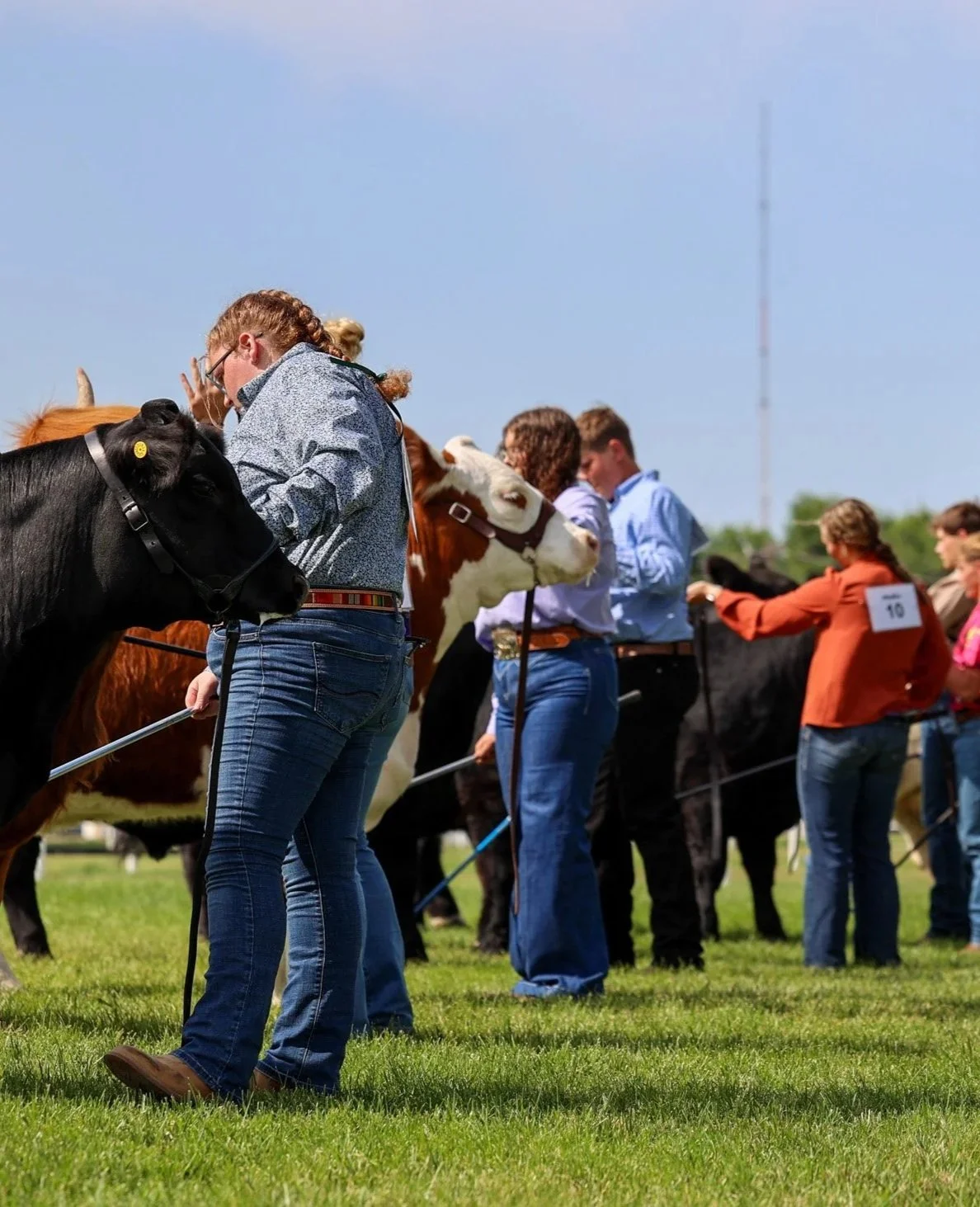
Cattle thrive on consistency.
According to Hannah, one of the most important things a new exhibitor can do is establish a regular feeding schedule.
Feed at the same time each day and stay as consistent as possible. Show cattle quickly learn routines and often know exactly when feeding time should be.
Consistency helps with:
Weight gain
Growth
Behavior
Overall health
The sooner your calf develops a routine, the better.
Work With Your Animal, Not Just Around It
Learn How to Care for Hair
For cattle exhibitors, especially those showing Herefords, hair care plays a major role in presentation. Hannah admits this was one of the biggest learning curves when she started showing cattle. Hair must be worked consistently and correctly to achieve the desired look in the show ring. Learning proper brushing techniques and developing a daily routine can make a huge difference by show day.
The key is consistency.
Essential Equipment for Beginners
New exhibitors often think they need every product in a show supply catalog. The truth is that you can get started with a few basics.
Hannah recommends:
A quality show halter
A show stick
Brushes and grooming supplies
Soap and whitening products
Feed and hay
Water buckets
A blower
Basic rinse and wash equipment
Many of these items can be purchased used from older exhibitors who are graduating out of the project. Facebook Marketplace, local livestock groups, and county fair communities are often great places to find affordable equipment.
You Don't Need a Fancy Setup
One message Hannah repeatedly emphasized is that success doesn't require expensive facilities.
You don't need:
A professional wash rack
A massive barn
Thousands of dollars in equipment
Many successful exhibitors make the most of what they have.
A hose, a clean area to wash, and consistent daily care can go a long way.
Stay Consistent and Be Patient
Results don't happen overnight.
Every successful exhibitor has experienced disappointing placings, frustrating days, and moments where they questioned whether they were making progress. The exhibitors who improve are the ones who keep showing up.
Stay consistent with:
Feeding
Grooming
Exercise
Showmanship practice
Daily care
Over time, those small efforts add up.
Have Fun Along the Way
At the end of the day, showing livestock is about much more than banners and buckles.
It's about the friendships, the lessons learned, the work ethic developed, and the connections made throughout the industry.
Hannah says that if she could do it all over again, she would start even earlier.
The experiences, relationships, and opportunities she gained through showing cattle helped shape her future in agriculture.
Don't Be Afraid to Ask Questions
One of the hardest parts of starting a livestock project is not knowing what you don't know.
Hannah encourages new exhibitors to reach out to:
Older showmen
Breeders
Parents
Extension agents
Friends in the livestock industry
Most people are willing to help if you ask. Some of the best lessons come from people who have already made the mistakes you're trying to avoid.
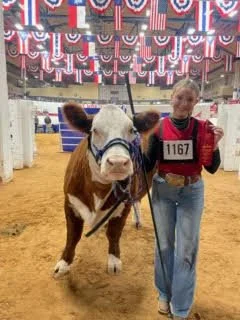
Want to hear it all?
Listen to the full First Time In The Ring episode with Hannah McCurry for more advice on raising and showing your first heifer or steer!