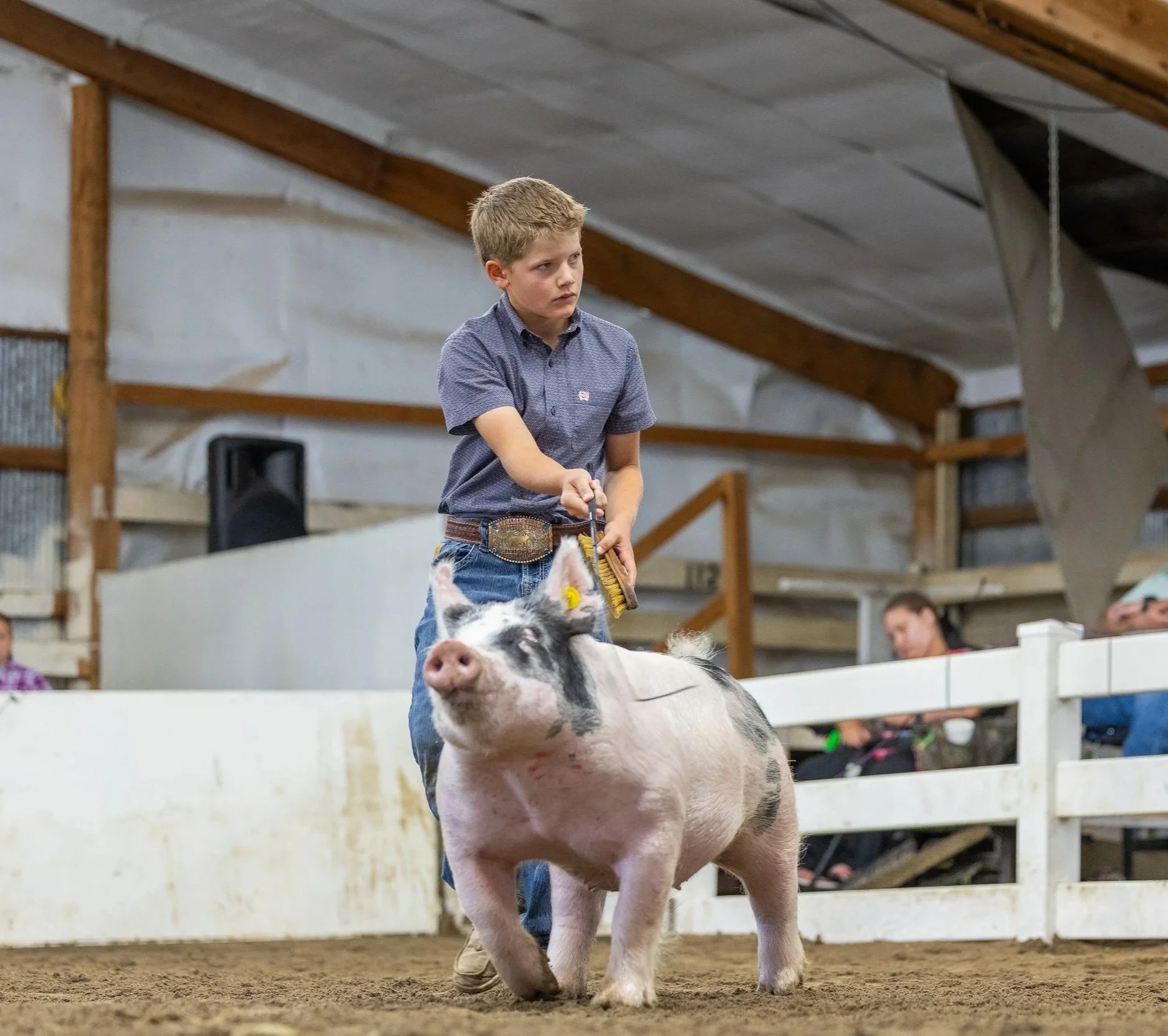
What to Do When You First Bring Home Your Show Pig With Brylee Peoples
Bringing home your first show pig is exciting, but it can also feel overwhelming. Between feeding, training, health care, and preparing for show season, it's easy to wonder if you're doing everything right.
The good news? You don't have to have it all figured out on day one.
Brylee Peoples has spent her entire life in the swine industry, showing pigs for over a decade before going on to work full-time raising show pigs in Texas. Her biggest advice for first-time exhibitors isn't about buying expensive products or having the fanciest setup, it's about building a relationship with your animal and staying consistent every day.
Here's what every first-time showman should know.
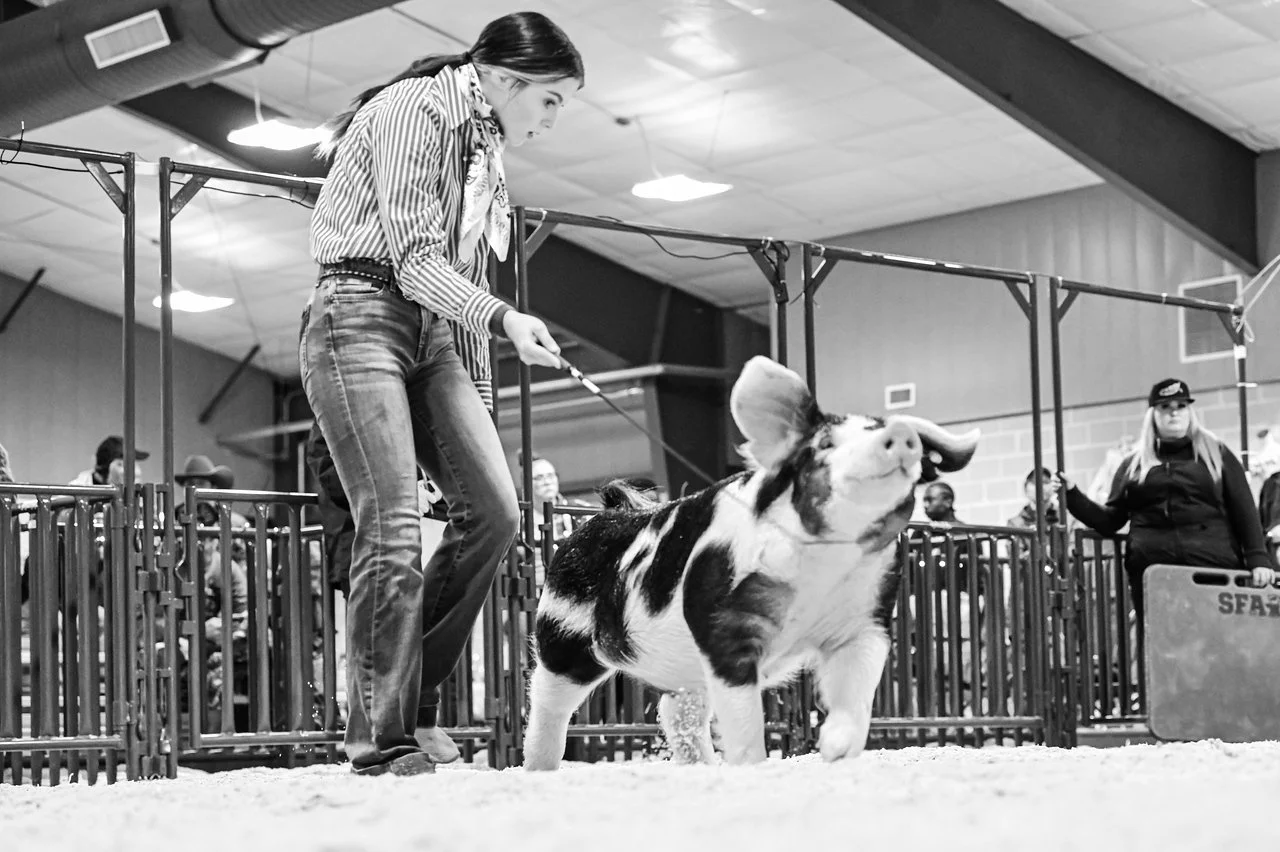
Start by Building Trust
One of the biggest mistakes new exhibitors make is trying to train their pig before earning its trust.
Remember, your pig has just left everything it's ever known. New sights, new smells, new people, and a new environment can all be stressful. Before asking your pig to perform, spend time simply letting it become comfortable with you.
Brylee recommends sitting in the pen with your pig for at least 30 minutes each day during the first few days. Let them get used to your voice, your scent, and your movements without expecting anything in return.
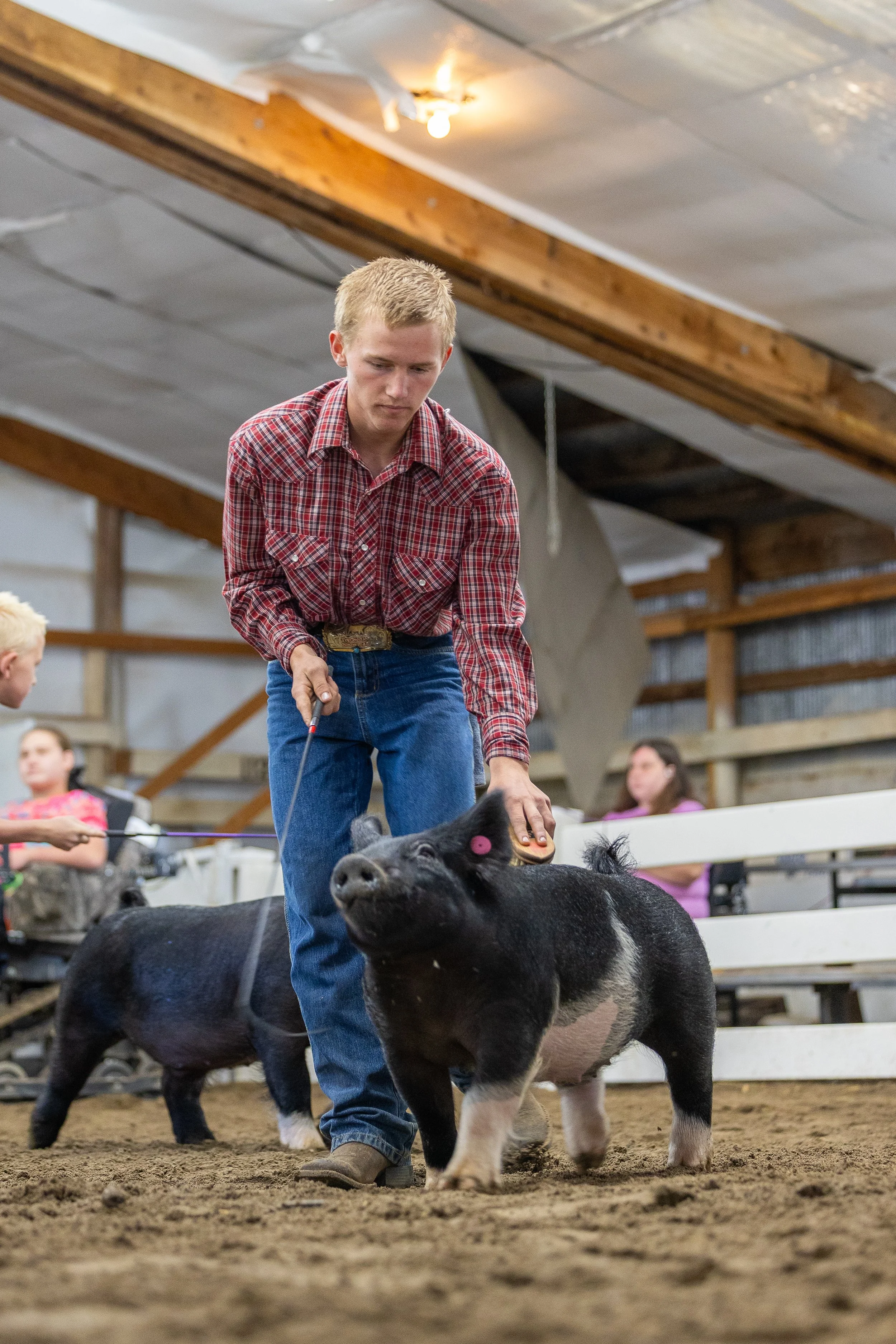
After they've started relaxing around you, begin introducing a brush while you're sitting with them. A few days later, gently introduce the show stick by lightly rubbing it along their body. Throughout the process, reward them with treats like vanilla wafers, marshmallows, or a small handful of feed.
The goal is simple: create positive experiences.
As Brylee explains,
"You want them to listen because they trust you, not because they're afraid of you."
That partnership will become the foundation for every training session that follows.
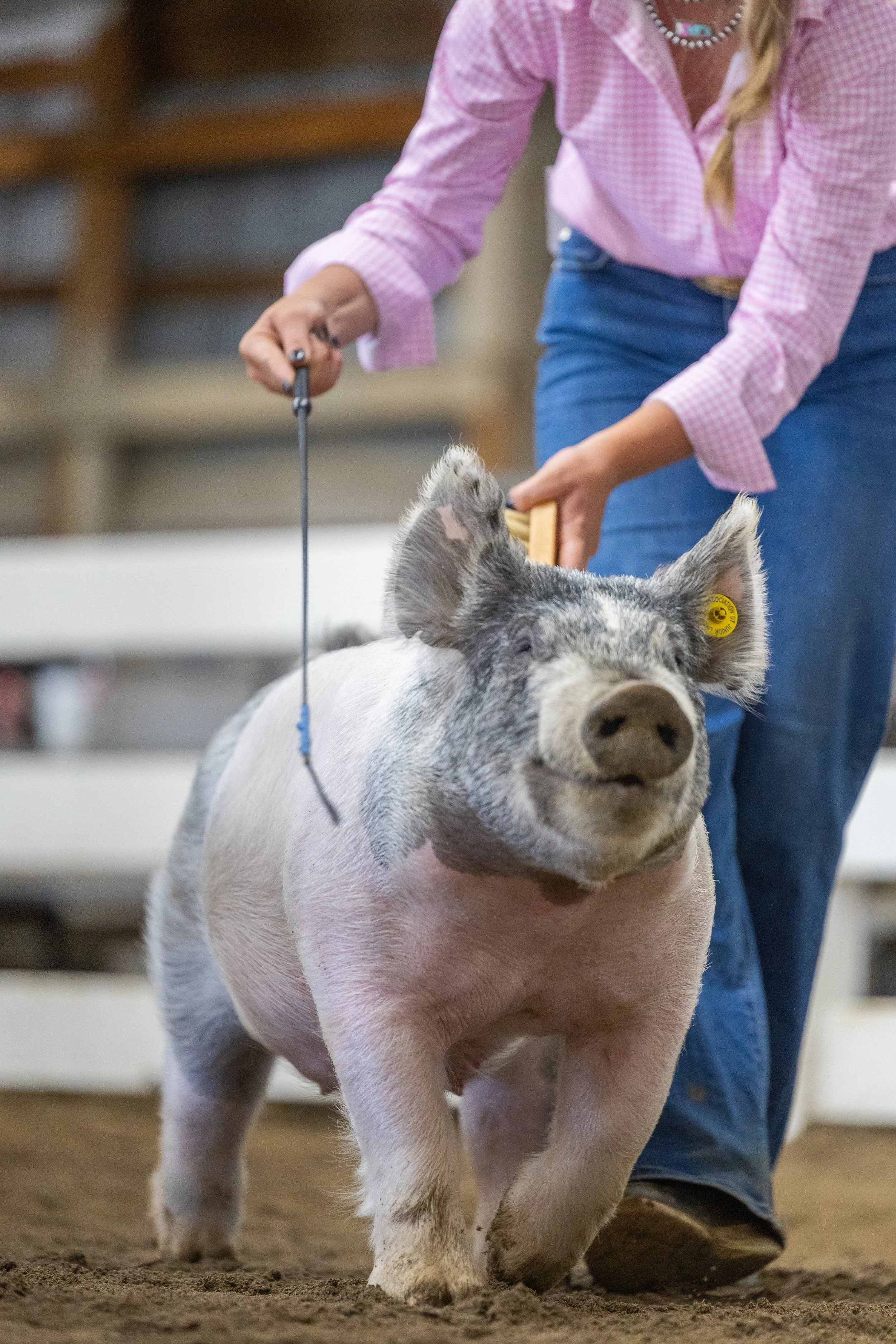
Take Training One Step at a Time
Once your pig trusts you, it's time to begin training, but don't rush it.
Instead of trying to accomplish everything in one session, focus on one small skill at a time.
Start in a small area where your pig can't run away. Teach them to move forward, turn left, and turn right before worrying about head carriage or showmanship details.
Brylee believes that less is more. If your pig does what you asked, end the session on a positive note. There's no reason to keep pushing once they've succeeded. Short, successful training sessions build confidence much faster than long, frustrating ones.
Consistency Beats Expensive Products. Many first-time exhibitors assume success comes from buying the newest shampoos, conditioners, or supplements.
Brylee disagrees.
While quality products can certainly help, consistency is what truly makes the difference.
Develop a routine and stick to it.
Wash and rinse regularly.
Blow dry hair correctly.
Keep the skin healthy.
Brush consistently.
Adjust your routine based on your individual pig. Every pig is different. What works perfectly for one may not work at all for another.
Don't be afraid to ask experienced breeders, fitters, or mentors for advice. They can help you develop a routine that's tailored specifically to your pig instead of following what everyone else is doing.
As Brylee puts it,
"Your products don't have to be expensive, but they have to be right."
Keep Your Pig Healthy
Good health starts before your pig ever unloads from the trailer. Brylee recommends thoroughly cleaning and disinfecting your barn, pens, feeders, and equipment before bringing your project home. A clean environment greatly reduces the chances of illness and helps your pig adjust more comfortably.
Once your pig is home, continue practicing good management by:
Cleaning feeders regularly
Following a deworming schedule
Watching eating and drinking habits
Monitoring behavior every day
Building a relationship with your veterinarian
One of the biggest indicators that something is wrong isn't always obvious illness, it's simply a change in behavior. If your normally active pig suddenly seems quiet, stops eating, carries its ears differently, or hunches its back, don't ignore it.
You know your pig better than anyone else. Trust your instincts and ask for help when something seems off.
Your Pig Feeds Off Your Energy
Show day can be stressful. You're trying to get your pig ready, find your paperwork, listen for announcements, and make it to the ring on time.
Your pig notices all of it. Brylee says one of the biggest mistakes first-time exhibitors make is letting their own stress affect their animal.
Stay calm.
Arrive early.
Develop a show-day routine that helps you stay focused before entering the ring. Whether that's eating breakfast, listening to music, spending quiet time with your pig, or saying a prayer, consistency creates confidence.
If you're calm, your pig is much more likely to stay calm too.
Build Your Village
No one succeeds in the livestock industry alone. Every successful exhibitor has people helping them along the way.
Find breeders who answer your questions. Learn from experienced fitters. Build a relationship with your veterinarian. Support your fellow exhibitors just as much as they support you.
Livestock shows aren't just about winning banners, they're about becoming part of a community. Those friendships often become just as valuable as the lessons learned in the show ring.
Practice Makes Confidence
There's no shortcut around hard work.
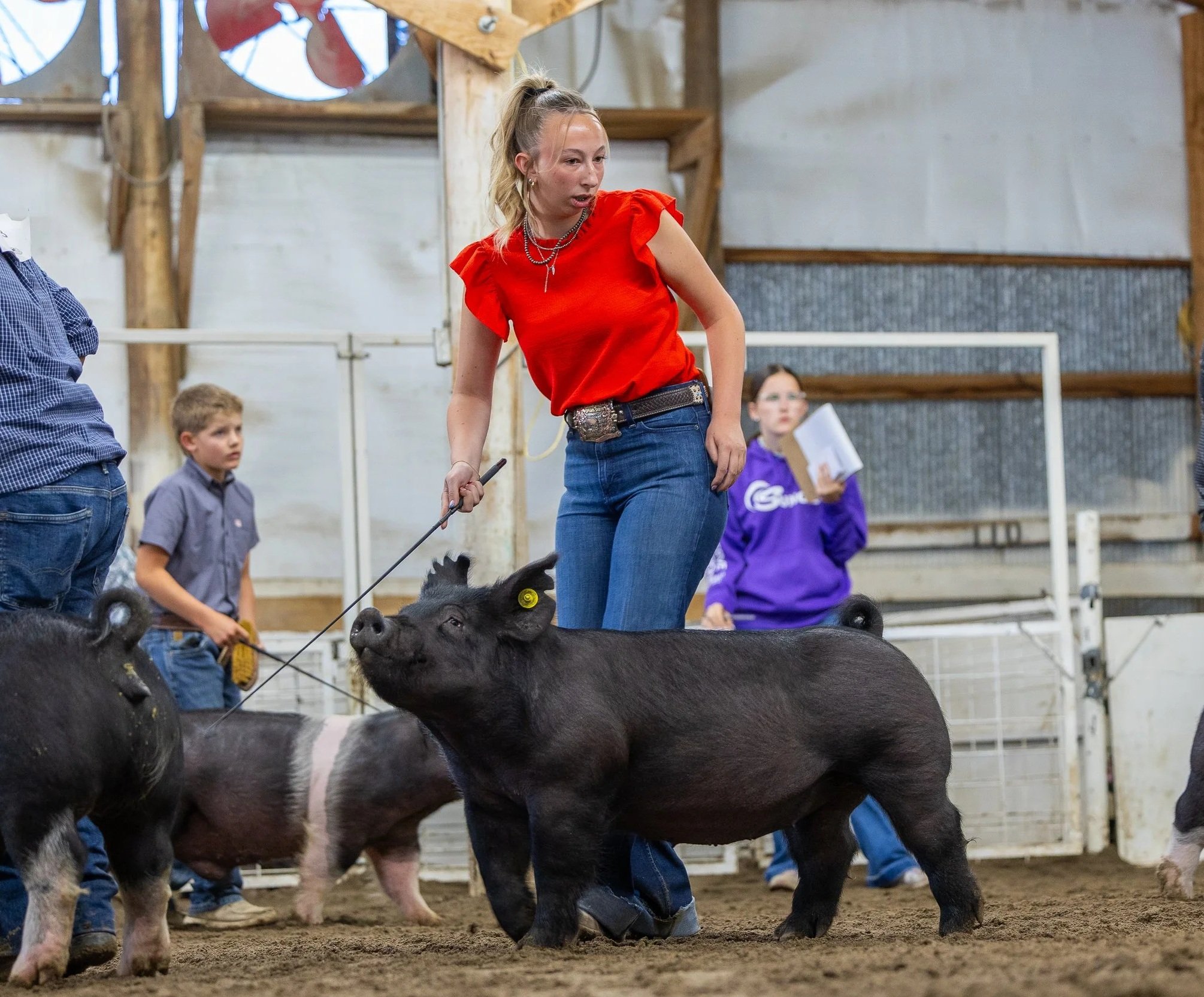
If you want a pig that's comfortable in the ring, you have to practice at home. Walk your pig every day. Practice navigating obstacles. Work on keeping yourself between the judge and your pig. Expose your pig to fences, gates, and unfamiliar surroundings so they aren't surprised on show day. Confidence doesn't magically appear when you walk into the ring.
It comes from the hours you invested long before the show ever started.
As Brylee says,
"Practice makes perfect. At home is where it counts."
Your first show pig won't be perfect, and neither will you.
You'll make mistakes. You'll have days when training doesn't go as planned. You'll probably wonder if you're doing enough. That's all part of the process. Focus on building trust, staying consistent, asking questions, and practicing every day. Those simple habits will take you farther than any shortcut ever could.
At the end of the day, showing livestock isn't just about raising great animals, it's about becoming a better, more responsible person along the way.
Want To Hear It All?
Listen to the full First Time In The Ring episode with Brylee Peoples for more advice on raising and showing your first Pig!