What Animal Should I Start With? A Beginner's Guide to Choosing Your First Livestock Project
After deciding to join 4-H or FFA, the next question is usually:
"What animal should I show?"
or
“How do I choose the best first livestock project for my child who wants to show at the county fair?”
This is where many new exhibitors get stuck. You don't want to choose something too difficult, too expensive, or too time-consuming. The goal of your first project isn't necessarily to win. The goal is to learn, gain confidence, and enjoy the experience enough to keep coming back.
Choosing the right animal can make all the difference.
Before You Pick an Animal, Ask Yourself These Questions
Before looking at breeders or scrolling through sale listings, take a minute to think about your situation.
Ask yourself:
How Much Time Do I Have?
Every project requires daily care. Some animals need 30 minutes a day, while others may require multiple hours of work, feeding, grooming, and training.
What's My Budget?
The purchase price is only the beginning.
You'll also need to consider:
Feed
Equipment
Entry fees
Bedding
Veterinary costs
Transportation
How Much Help Do I Have?
Do you have family members who have shown before? Do you have access to a breeder, mentor, or experienced exhibitor who can answer questions? The amount of support you have can play a big role in choosing your first project.
What Fits My Personality?
Some animals require more patience. Some require more confidence. Some require more physical strength. Choosing a project that matches your personality can make the experience much more enjoyable.
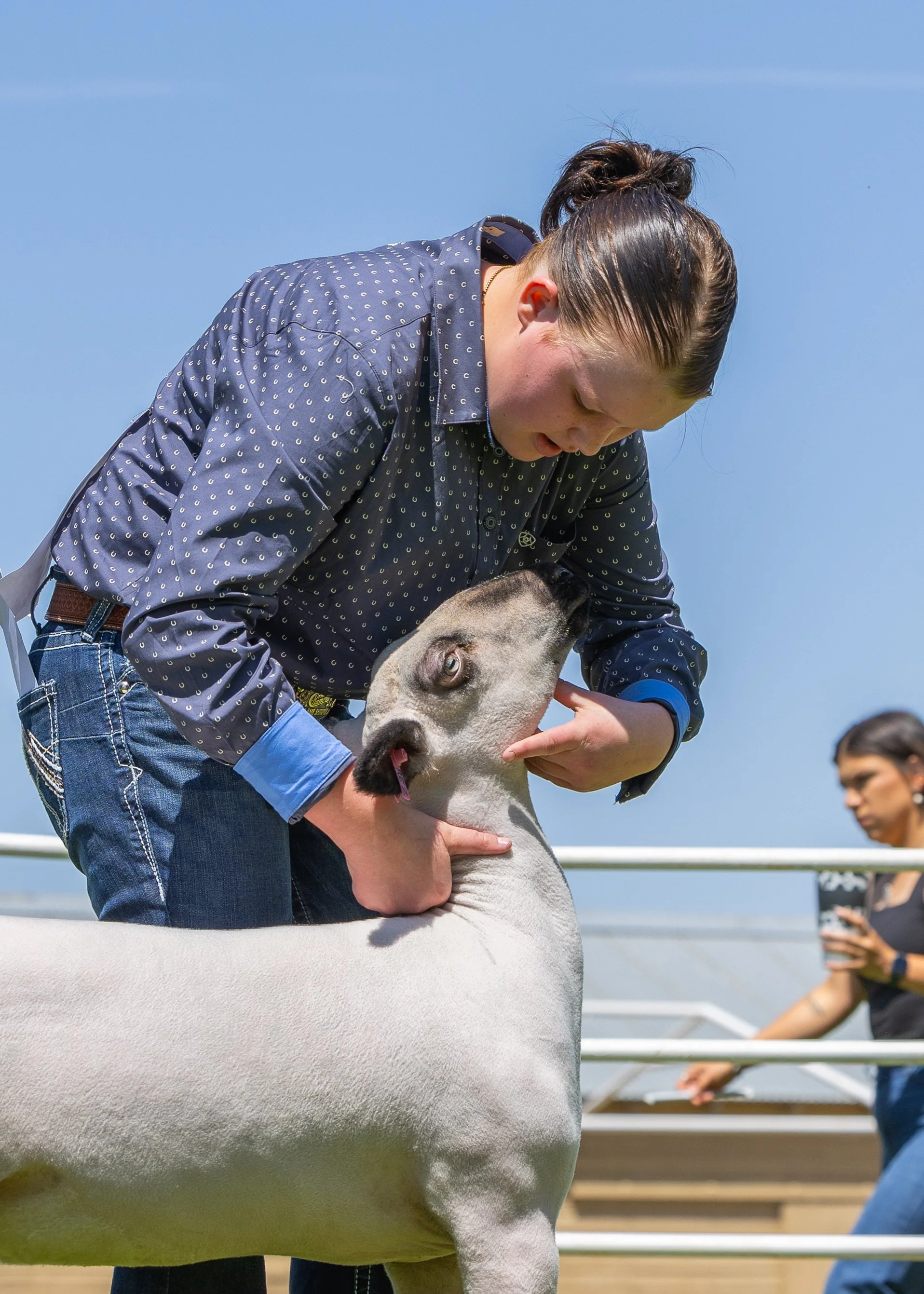
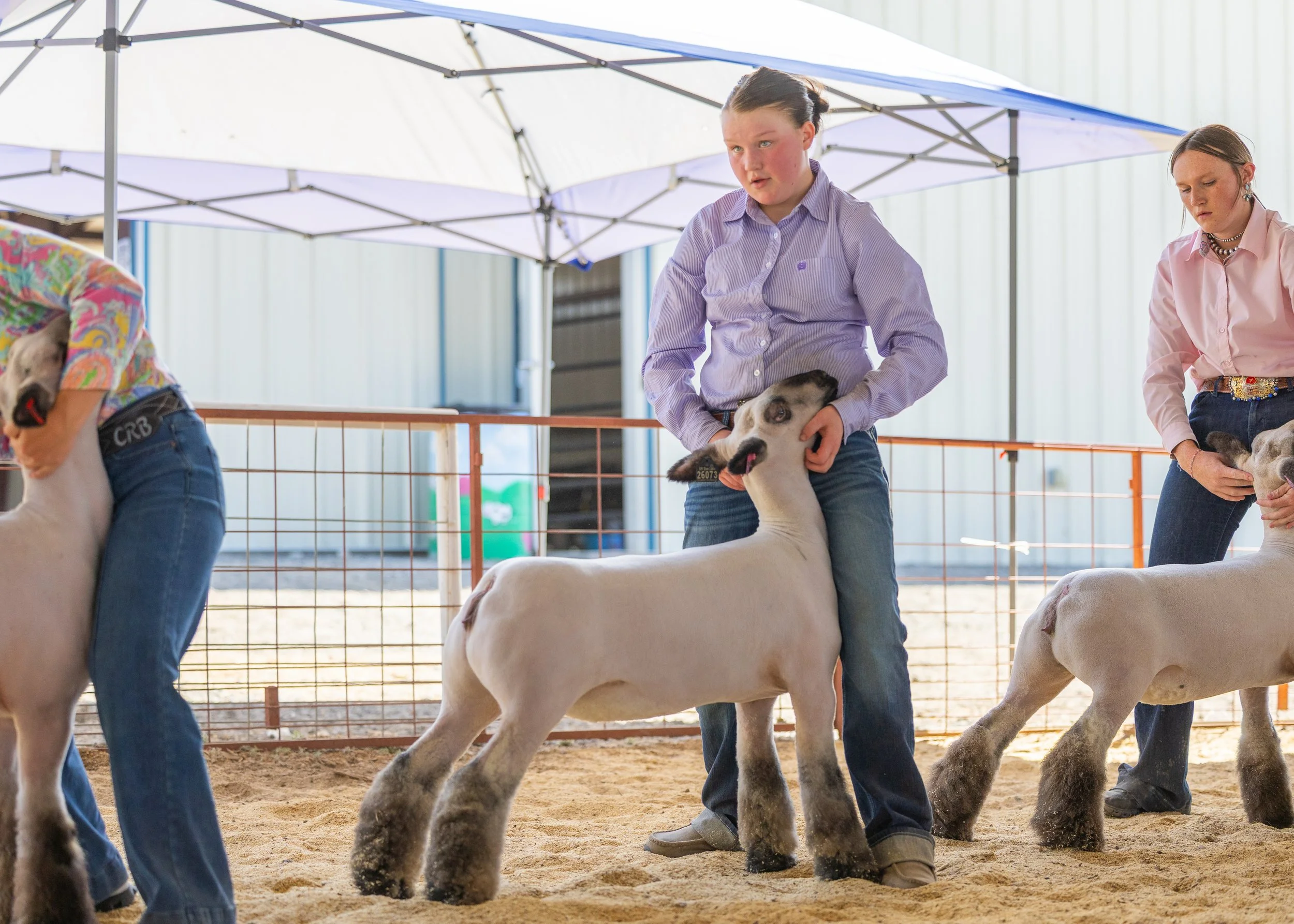
Sheep: A Great Choice for Beginners
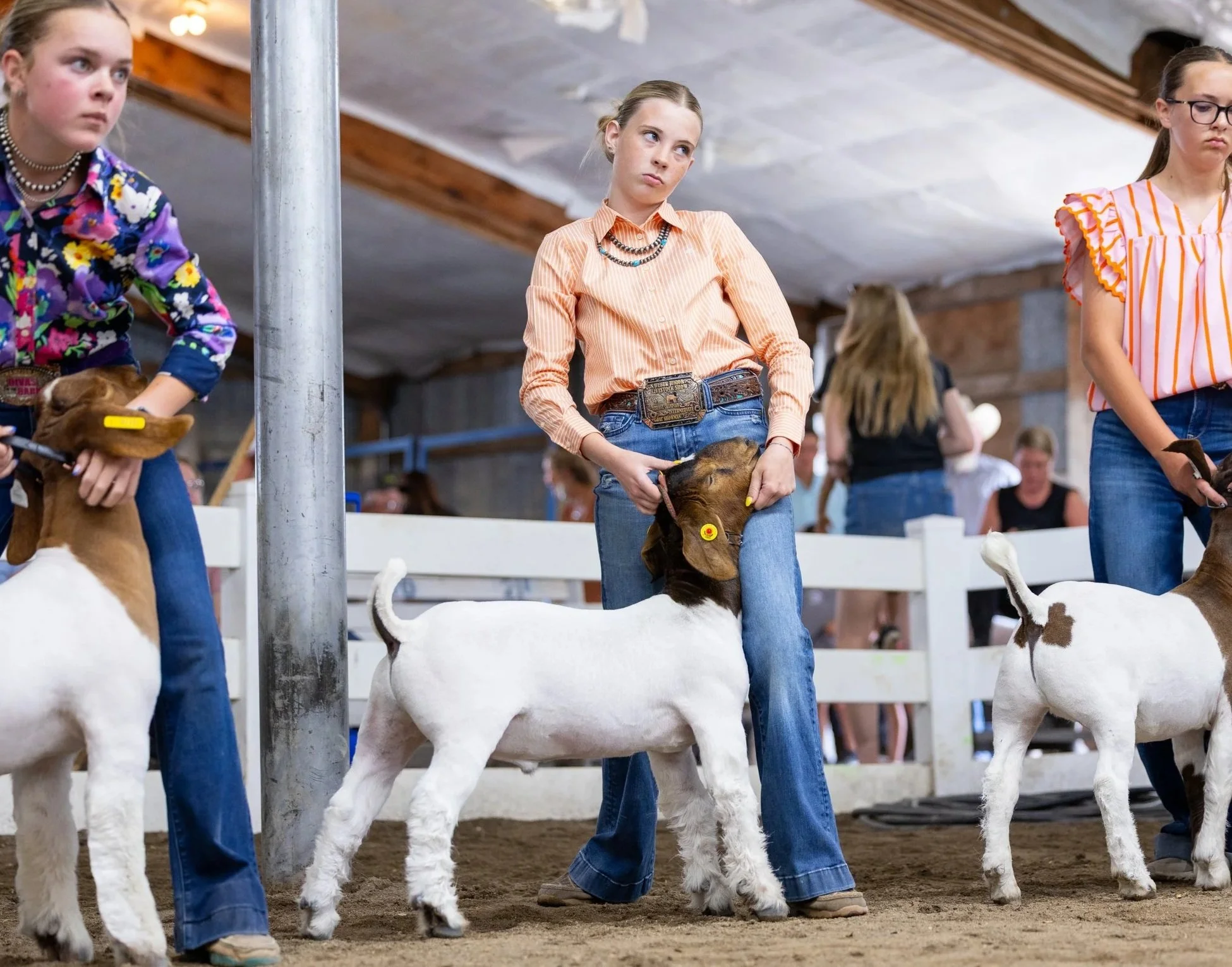
Sheep are another excellent first project. Many exhibitors spend their entire livestock career showing sheep because they enjoy the challenge and the relationships they build through the industry.
Why Sheep Make Good First Projects
Beginner friendly
Easy to learn basic showmanship
Relatively affordable
Manageable size
Strong support networks in many counties
Things to Consider
Like goats, sheep are social animals and generally do better when they have companionship. They also require consistent care and daily attention to reach their full potential.
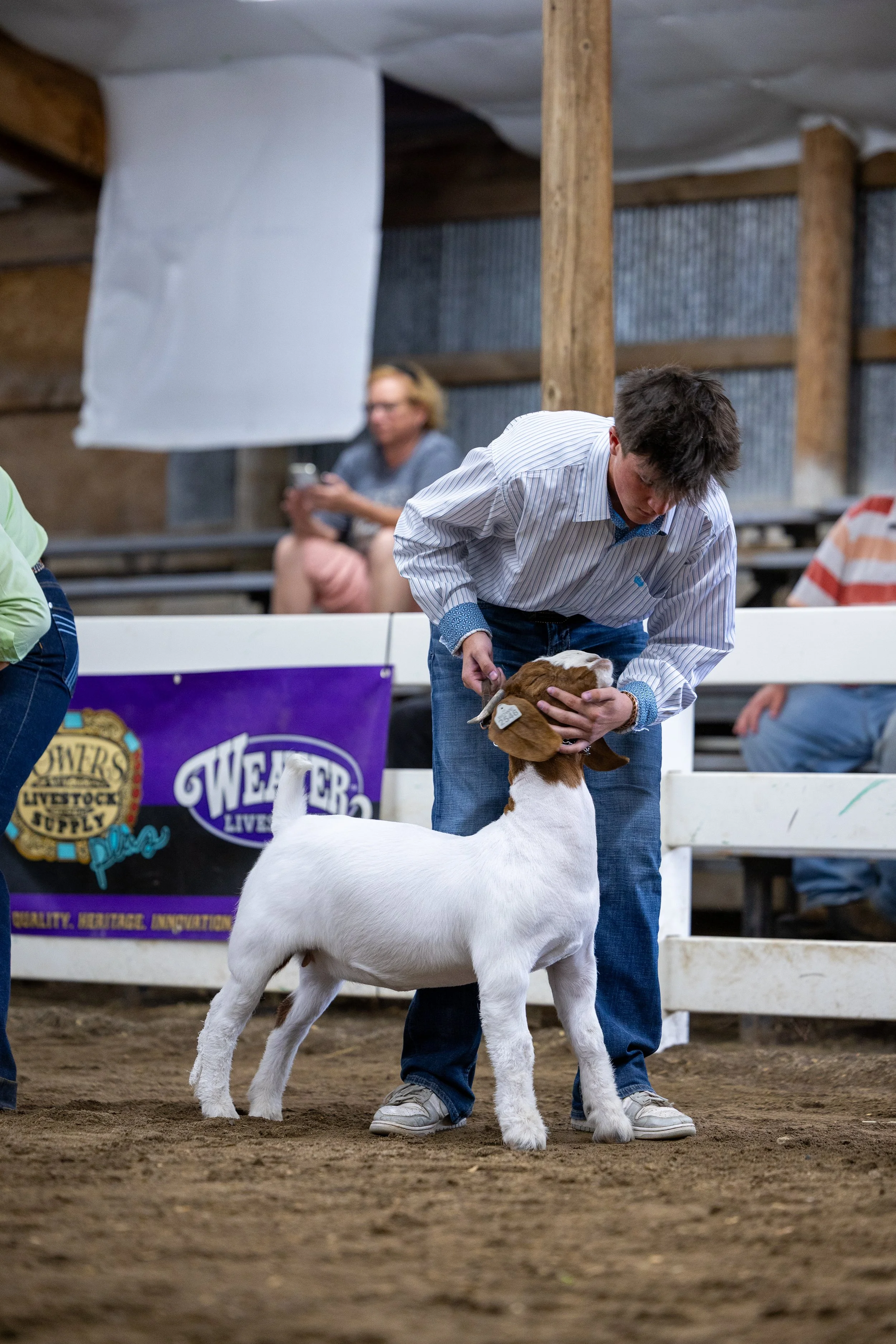
Goats: One of the Best Beginner Projects
If someone asked for a beginner-friendly recommendation, goats would be near the top of the list.
Why Goats Are Great for Beginners
Smaller and easier to handle
Lower startup costs
Great for younger exhibitors
Require less space than larger livestock
Build confidence quickly
Many successful exhibitors started with goats because they're manageable and teach important showmanship skills.
Things to Remember
Goats are herd animals. If possible, they should have a companion animal nearby to help reduce stress.
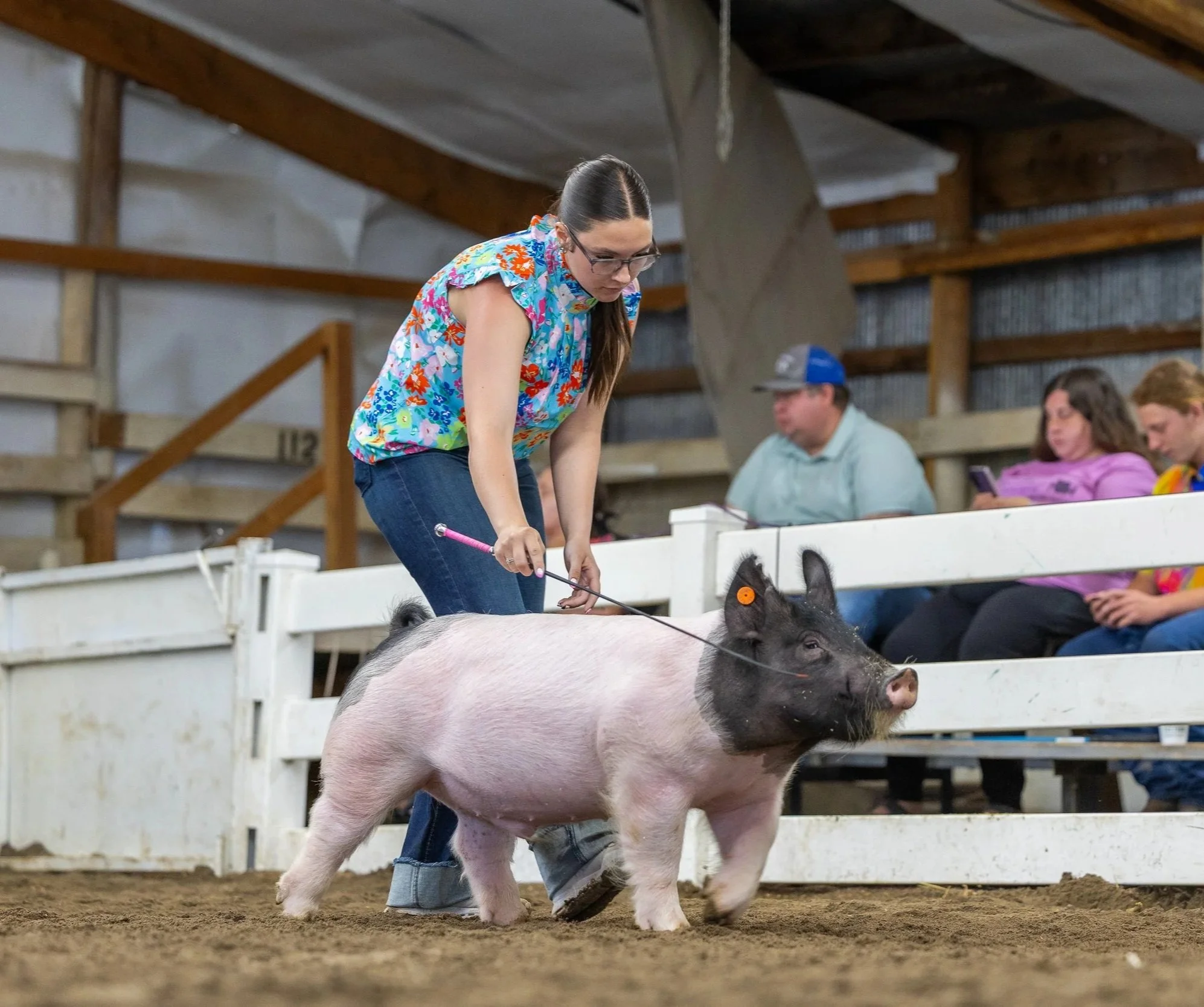
Pigs: Fun but More Demanding
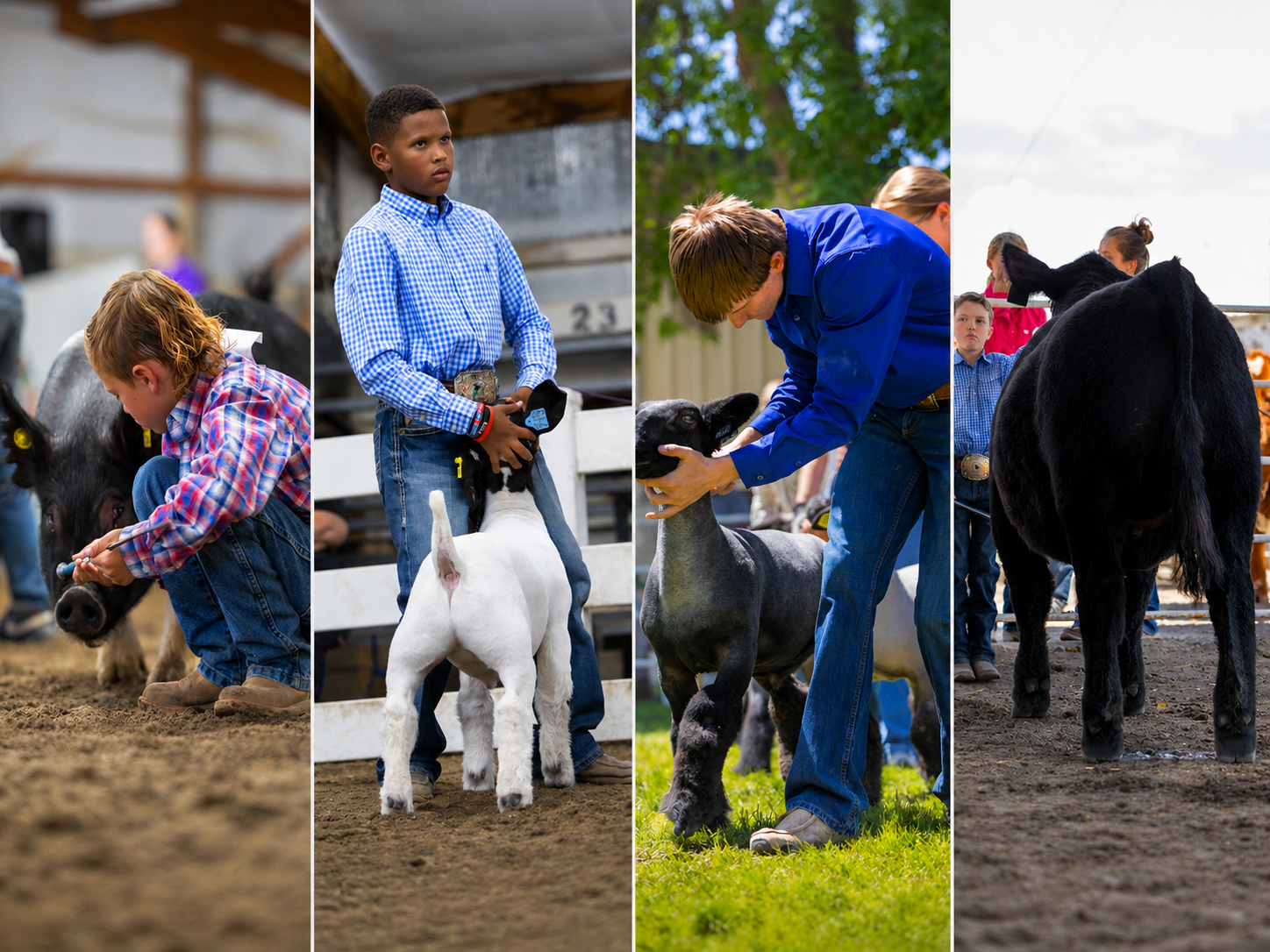
Pigs can be a great project, but they often require more daily effort than many beginners expect. Unlike sheep and goats, pigs aren't shown with a halter. Instead, exhibitors use a show whip and body positioning to guide them around the ring.
Why People Love Showing Pigs
Very interactive
Intelligent animals
Fun to work with
Competitive industry
Challenges for Beginners
Require consistent training
Need careful management
Can be harder to control in the ring
Feeding and conditioning become very important
For families willing to put in the extra time, pigs can be a fantastic project.
Cattle: High Commitment, High Reward
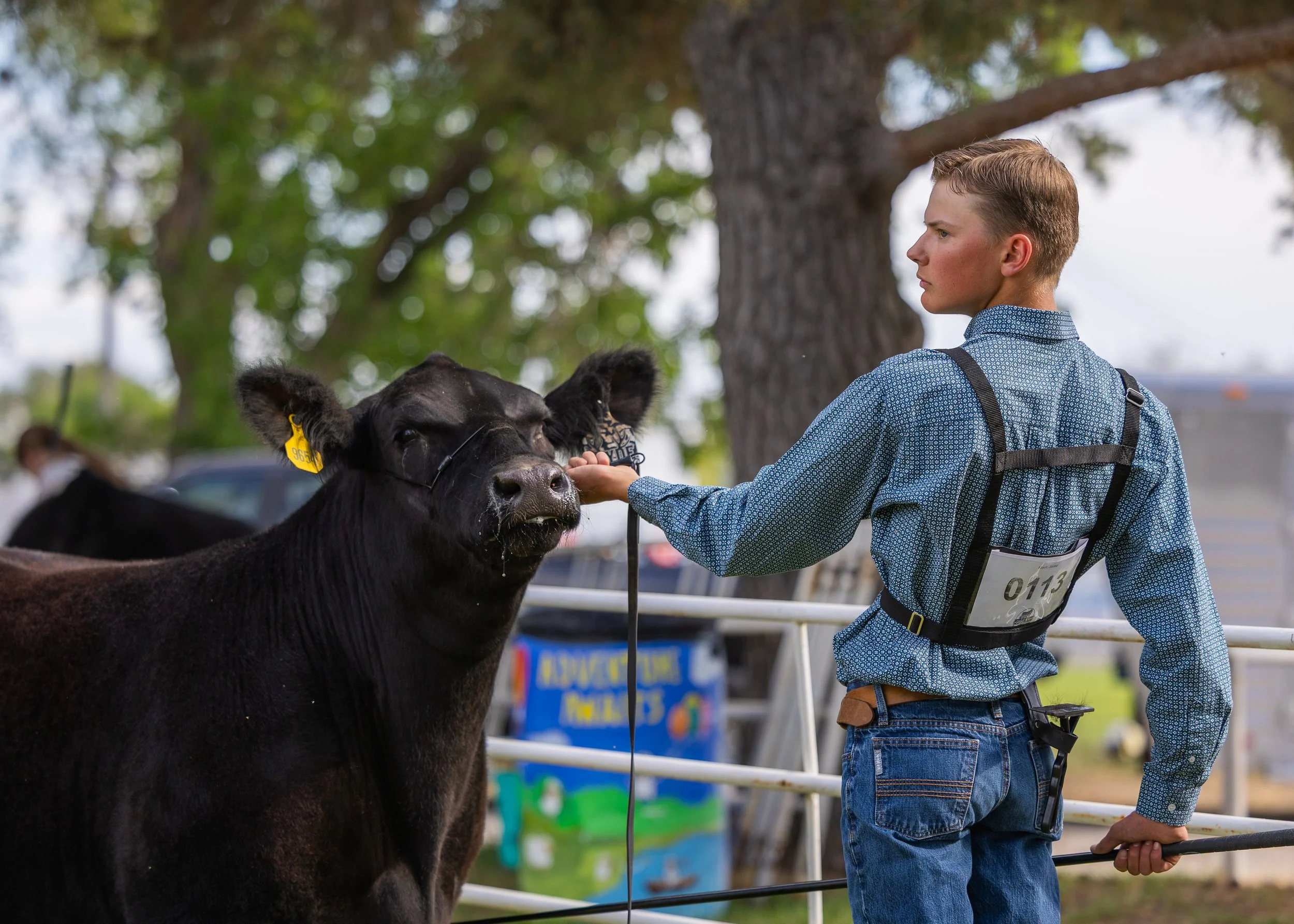
Cattle projects are often the most expensive and time-intensive option. That doesn't mean beginners can't start with cattle, but they should understand the commitment before jumping in.
Why People Love Showing Cattle
Strong bonds with animals
Valuable life skills
Large scholarship opportunities
Potential for higher sale returns
Challenges
Higher purchase prices
More feed costs
More equipment needed
Longer project timelines
Greater time commitment
Showing cattle requires consistency, patience, and dedication. For families with experience or strong support systems, cattle can be incredibly rewarding.
Common Mistakes New Exhibitors Make
Starting Too Big
Many beginners feel pressure to buy the most expensive animal they can afford. The reality is that expensive animals don't guarantee success. A well-managed average animal often performs better than an expensive animal that isn't worked with consistently.
Underestimating the Time Commitment
Every project takes work. Feeding, cleaning, exercising, grooming, and practicing showmanship all add up. Success comes from daily effort, not occasional effort.
Refusing to Ask for Help
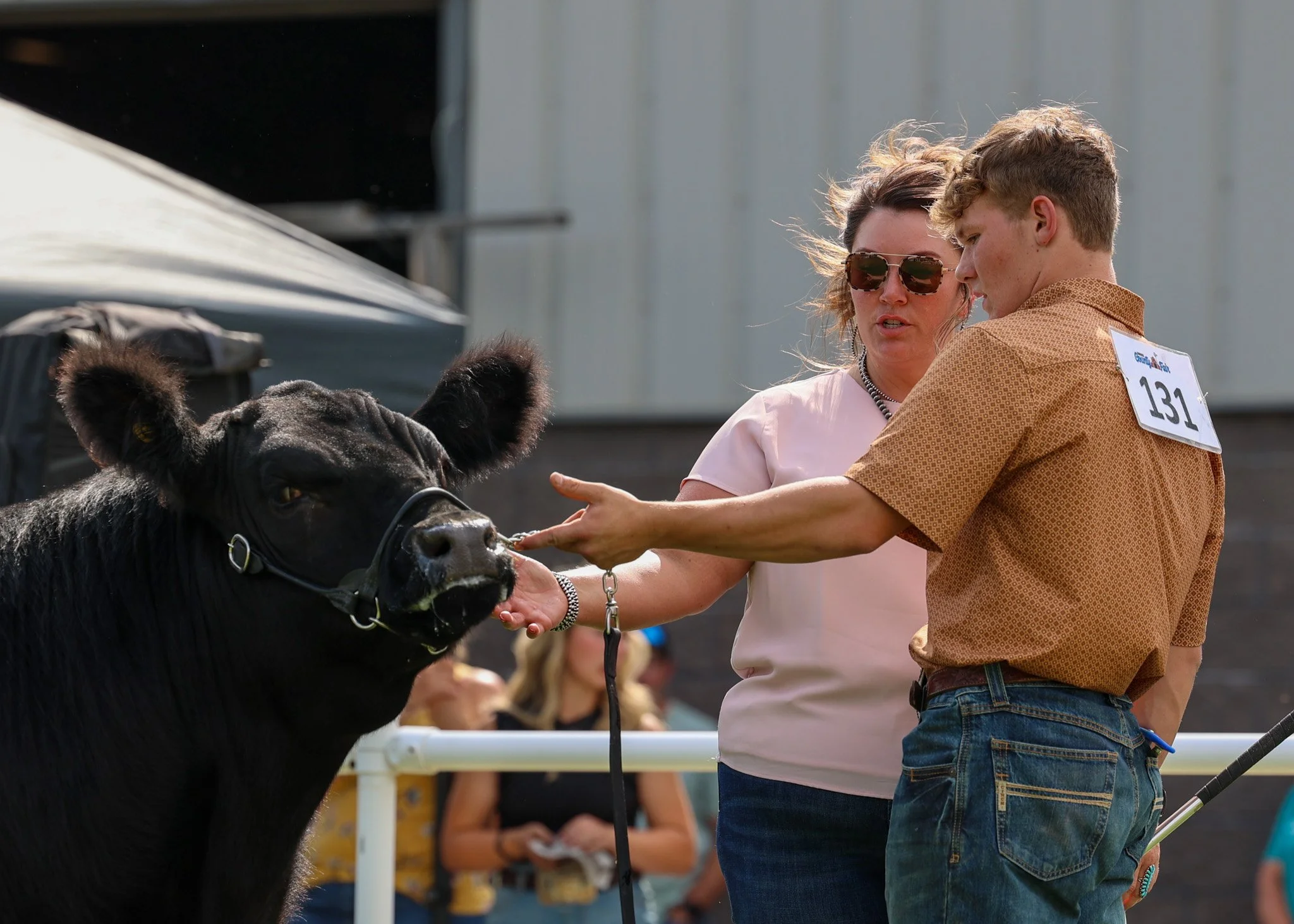
One of the biggest mistakes new exhibitors make is trying to figure everything out on their own. The livestock industry is filled with people who are willing to help. Ask questions. Reach out to older exhibitors. Talk to breeders. Learn from people who have already been where you are.
The Secret to Success Isn't the Animal
Many people assume successful exhibitors win because they bought the most expensive project. In reality, successful exhibitors usually have something much more important: Consistency. The exhibitors who improve the most are the ones who show up every day. They feed on schedule. They practice regularly. They ask questions. They keep learning. And they don't quit when things get difficult.
Set Realistic Expectations
Your first year may not end with a banner. You may not win your class. You may make mistakes. Your animal may have bad days. That's normal. Every experienced showman has been there.
Focus on:
Learning
Improving
Building confidence
Developing showmanship skills
The wins will come later.
So Which Animal Should You Choose?
If you're looking for a simple answer:
Goats: Great for younger exhibitors and beginners.
Sheep: Excellent all-around beginner project.
Pigs: Fun but require more daily training.
Cattle: High commitment but highly rewarding.
There is no perfect answer. The best first project isn't necessarily the one that wins the most banners. It's the one that fits your budget, your schedule, and your goals well enough that you want to come back and do it again next year.
Because every successful exhibitor started somewhere, and the most important step is simply getting started.
Want to Hear More?
Check out the podcast!