How to Care for Your First Show Calf With Conley Schick
Conley Schick has been around cattle shows for as long as she can remember. Growing up in a family that raises and shows Simmental cattle, the show ring has always been a part of her life.
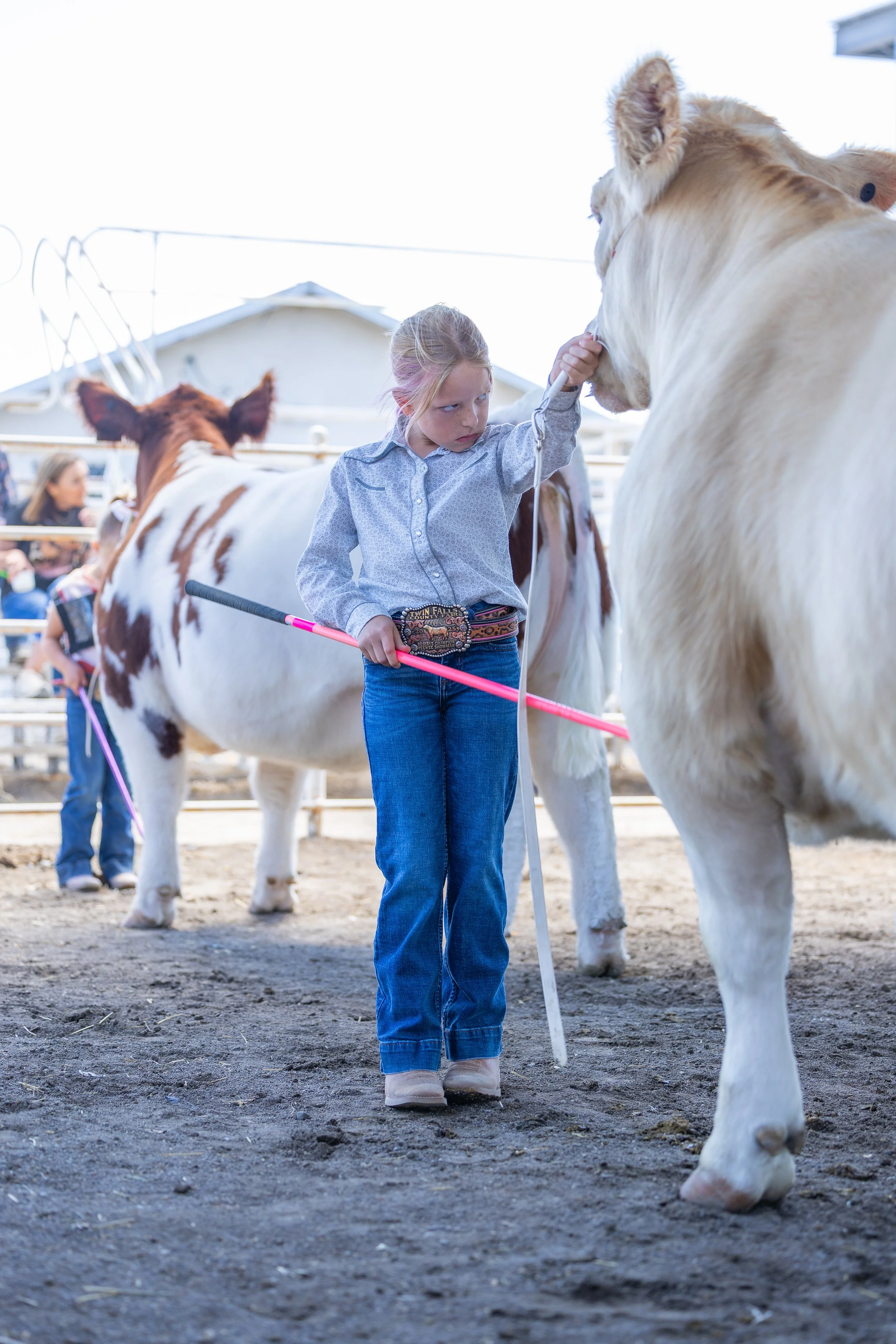
Her first time actually showing came at a county fair in Illinois with a heifer named Cutie. Conley placed second in a class of three, but to her, that did not matter. She was proud of her heifer, excited to be in the ring, and completely hooked on showing cattle.
Build Trust Before You Ask for More
When a new calf comes home, it can be tempting to immediately start leading, setting up, and preparing for the show ring. Conley believes some of the most important work actually happens before any of that begins.
When her family brings home a new calf, they often start by putting it in a smaller pen and simply spending time with it. For several days, they may do little more than stand in the pen and scratch the calf.
That time gives the calf an opportunity to become comfortable with the people who will eventually be working with it every day.
As the calf becomes more comfortable, they begin using a comb and getting it used to being touched. Conley shared that before she even led one of her show heifers for the first time, the heifer was comfortable enough to let Conley scratch her almost anywhere.
By the time halter breaking begins, the calf already knows who is working with it. It has learned that being around that person does not have to be stressful.
That trust becomes the foundation for everything that follows.
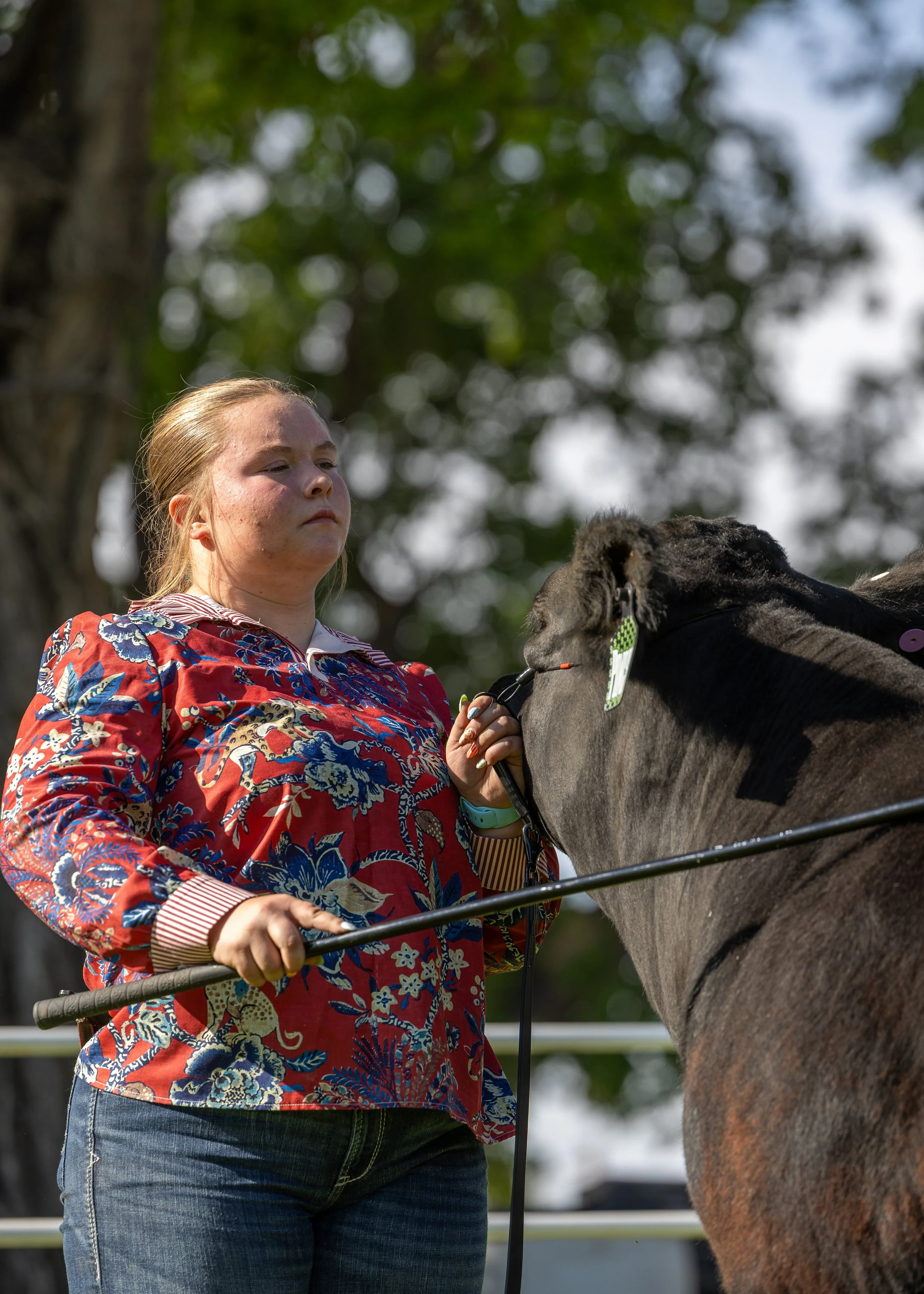
The Little Things Set You Apart
Becoming a better showman does not always mean making huge changes. Sometimes it means asking your calf to stand for another ten seconds before turning it loose.
While preparing for Junior Nationals and the state fair, Conley and her sisters started making their cattle stand set up before releasing them into their pens or runs. Eventually, they began setting timers and working toward having the cattle stand correctly for two to five minutes.
It sounds simple until you actually try it.
Conley explained that two minutes can feel incredibly long when you are standing there with a calf. In the beginning, getting an animal to stand correctly for several minutes can take a long time. But that extra practice teaches the animal to be patient. The calf begins to understand that standing still and behaving will eventually be rewarded. When show day comes, standing in front of a judge is no longer something completely different from what the animal has been asked to do at home.
Those extra few minutes in the barn may not seem important at the time, but those are often the details that start separating good showmen from great ones.
Know Your Animal
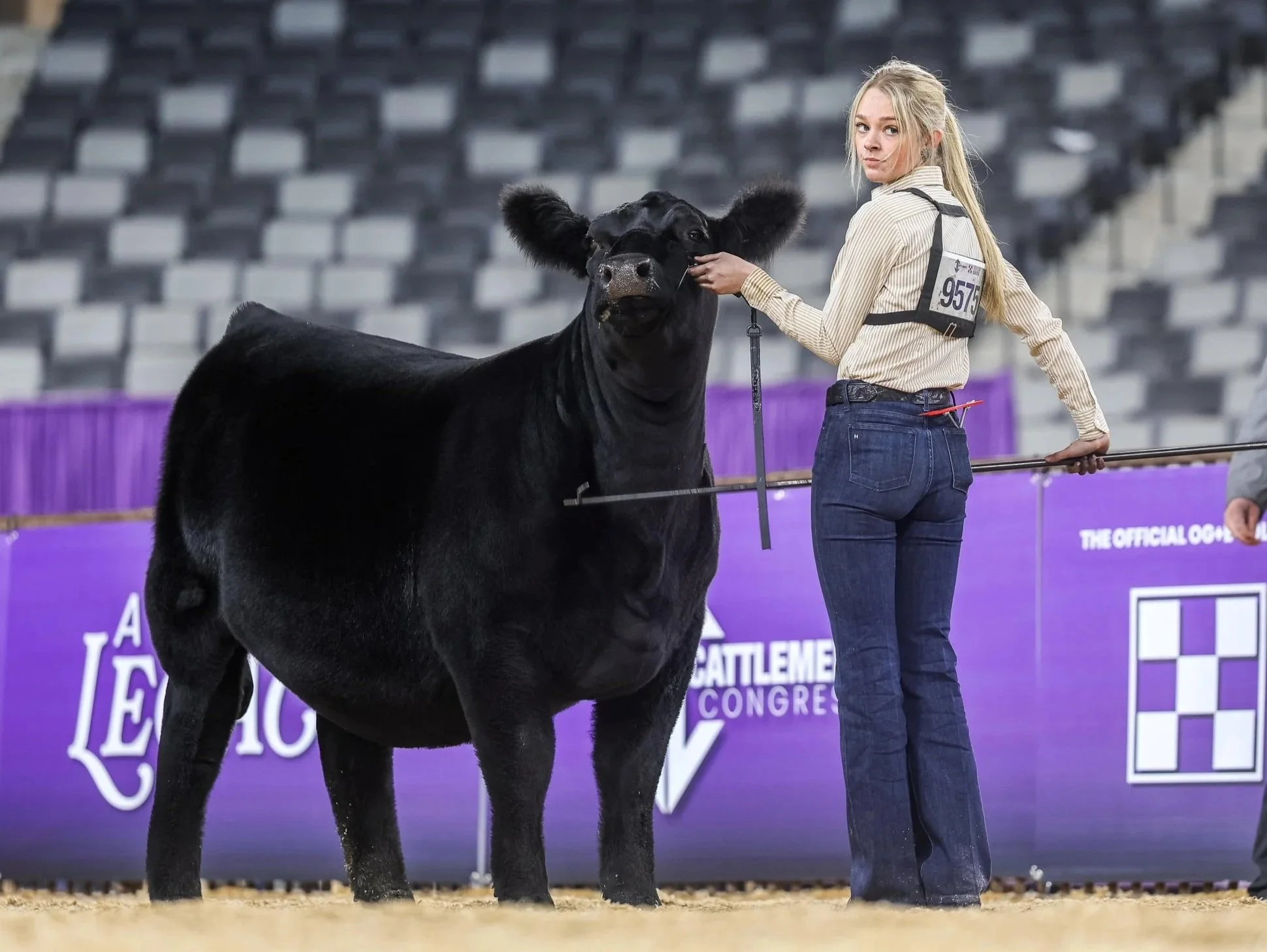
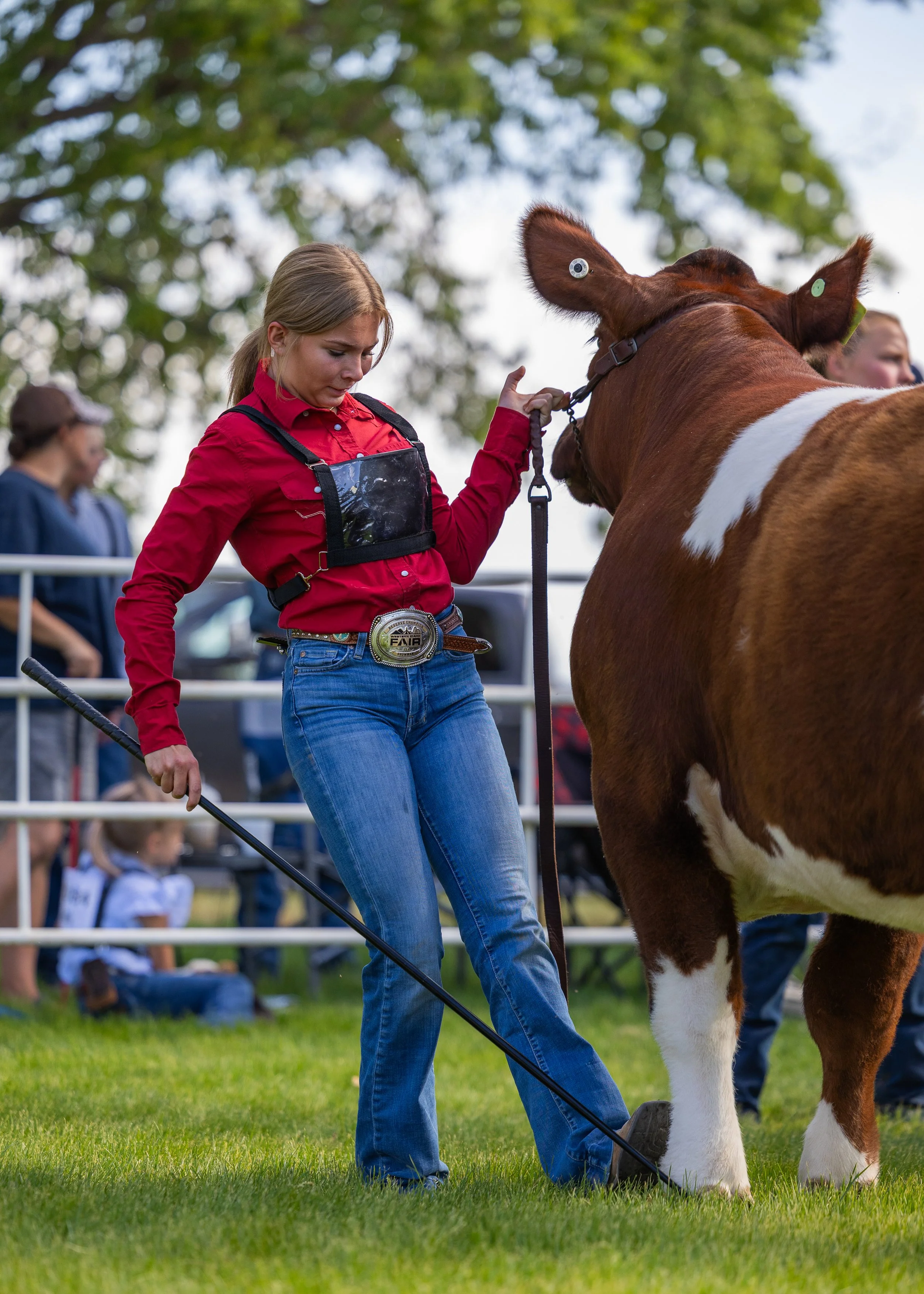
Showmen are often taught from a young age to maintain eye contact with the judge. Conley still believes eye contact is important, but as she has gotten older, she has realized that awareness of your animal can be even more valuable.
Your job in the ring is to make your animal look its best.
That means knowing when a foot needs to be moved, recognizing when your calf is no longer standing correctly, and paying attention to what your animal is doing around you. You should know your animal well enough to recognize when something needs to be fixed without waiting for someone else to tell you.
The judge matters, but so does the animal standing at the end of your halter.
Want to hear it all?
Take Halter Breaking Slowly
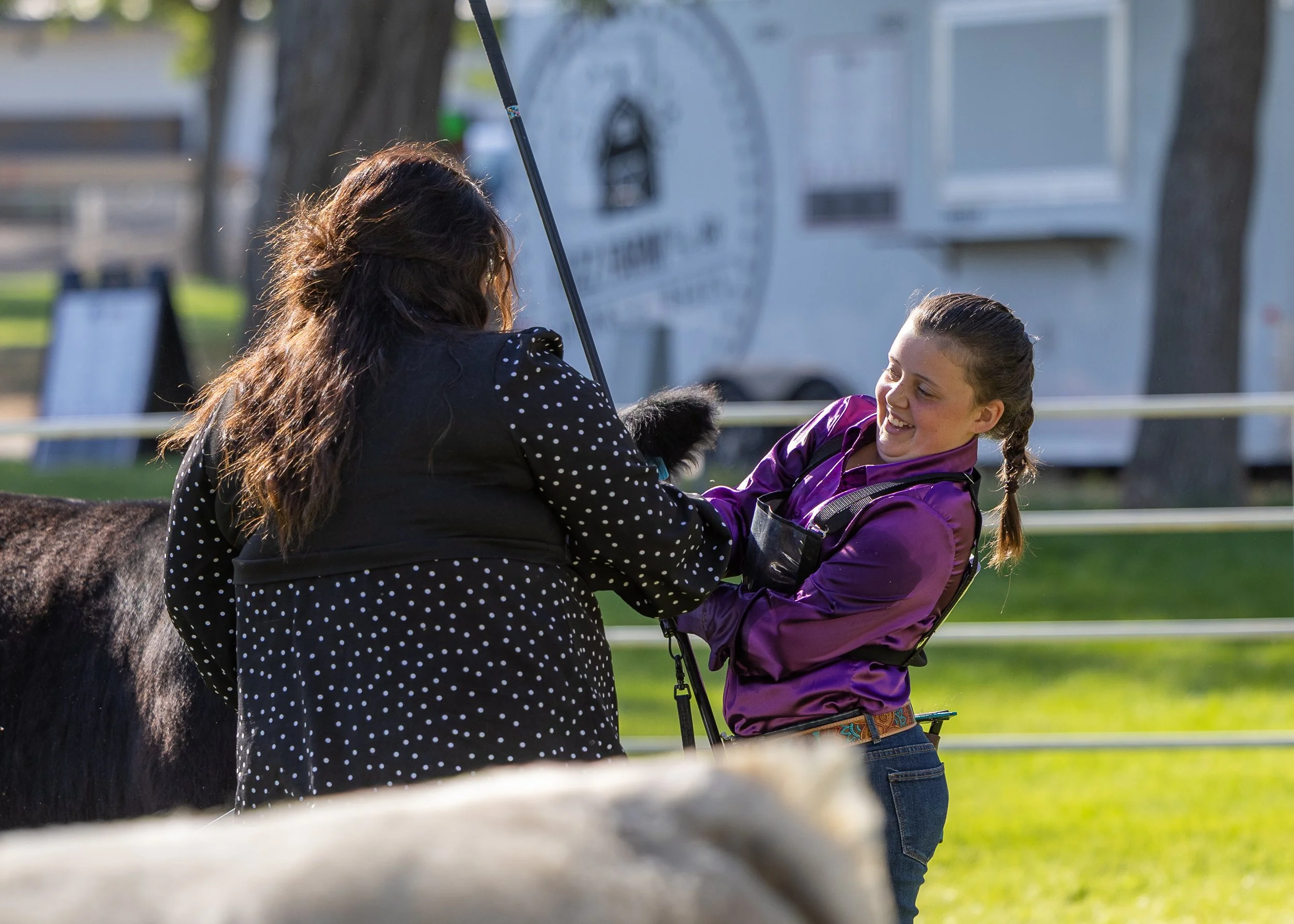
Halter breaking can test anyone's patience, especially when you are working with your first calf. A stubborn calf can make it feel like you are getting nowhere. Conley says one of the most important things you can do is slow down.
Instead of immediately expecting a calf to walk perfectly and set up correctly, start with smaller goals. Work on getting its head up. Scratch it when it does something right. Get it comfortable with having its feet moved. Ask it to take a few steps before expecting it to walk long distances.
Those small wins eventually turn into progress.
Conley's family also tries to make the process of being tied as stress free as possible. One method they use is placing hay along a gate and allowing the calf to begin eating. They can then reach through the gate and tie the calf while it is focused on the hay. Sometimes the calf does not even realize it has been tied until the hay is gone.
The goal is not to force everything to happen immediately. It is to teach the calf that being tied, led, and worked with does not have to be a negative experience.
Patience can be difficult when you feel like your calf should be progressing faster. But taking the time to build a solid foundation can make working with that animal much easier later.
Showmanship Matters
One lesson Conley has learned throughout her years of showing is just how important showmanship practice really is.
When she and her sisters were younger, their mom would help them practice by pretending to be the judge. They would walk around and work their calves just like they would in an actual show ring.
As they got older and started working more independently, that kind of practice became easier to overlook. Looking back, Conley believes showmanship is one of the most important things an exhibitor can work on. A great calf still needs to be presented correctly.
If you cannot get your animal stopped, set up, and looking its best, the judge may never get the opportunity to see everything that animal has to offer. Showmanship also becomes much more enjoyable when you and your animal know how to work together. That relationship does not suddenly appear when you walk into the ring. It is built through the hours you spend together at home.
Prepare for the Show That Matters
It is exciting to have a good calf in the barn, and naturally, you want to take that calf to shows and see how it does.
Over time, Conley's family has learned that sometimes preparing for a major show means choosing not to attend every smaller show along the way. They have become more selective about when they take cattle out so they can preserve things like hair, freshness, feed, and fill for the shows they care about most.
That can be difficult when you know you have an animal capable of doing well. However, if a major show is your goal, you want your animal looking its absolute best when that day arrives. Preparation means looking at the bigger picture instead of only thinking about the next show.
One Show Does Not Define Your Project
Showing livestock comes with disappointments. You can work hard, walk into the ring feeling prepared, and still leave without the result you wanted.
Conley has experienced that herself.
She shared the story of one of her younger sister Paisley's heifers. Early in the season, there were moments when the family questioned whether they had even made the right decision buying her. At the Illinois Beef Expo, the heifer placed third in her class. There were other shows where she did not perform as well as the family had hoped either.
Still, they kept working.
They knew the heifer's best days could be ahead of her, even if the results at that moment were not showing it. Eventually, that same heifer went on to be third overall at Junior Nationals. Going from third in class to third overall did not happen because one disappointing show suddenly stopped mattering. It happened because they kept working after it.
A bad show does not always mean you have a bad animal. It does not mean you made the wrong decision. Sometimes an animal simply needs more time.
The only way to find out what that animal can become is to keep going.
Be Where Your Feet Are
One of the best pieces of advice Conley has received came from her mom.
Be where your feet are.
For Conley, that means being present in whatever you are doing. It can be easy to stand in the barn thinking about homework, the next show, everything else you need to finish that day, or where you need to be next.
When your mind is somewhere else, it becomes easy to rush through the work in front of you.
The years spent showing livestock go faster than you realize. There will always be another chore to finish and another thing demanding your attention. Sometimes you need to stop thinking about what comes next and appreciate where you are right now.
Put in the Work
At the end of the day, Conley believes showing livestock comes back to work. There will be frustrating days. There will be animals that test your patience. There will be shows where you do not place where you hoped. There may even be moments when you question whether all of the time you have put into your project is worth it.
Keep working anyway.
The work you put into your animal does more than prepare you for a class. It teaches patience. It teaches responsibility. It teaches you how to keep going when the outcome is not guaranteed. Whether you leave the ring with a banner or walk out disappointed, the hours you spent getting there still mattered.
Walk Into the Ring With Confidence
When show day finally arrives, the hard part has already happened.
You have spent the days feeding, washing, leading, setting up, practicing, and learning your animal. You have worked through the frustrating days and celebrated the small improvements. Now you get to show what all of that work created. Conley's advice to a young exhibitor about to enter the ring is simple.
Be confident.
Think about everything you have done to prepare for that moment. Trust the work you put in. Trust your animal. Trust yourself. Then walk into the ring and do your thing. Because the work that matters most happened long before the judge ever saw you.